
Understanding Mold Problems in Miami Homes
Mold problems in Miami homes are more common than many homeowners realize. Warm temperatures, frequent rain and high humidity give mold everything it needs to grow quickly once it finds moisture indoors.
Mold is a natural part of the environment. Outdoors, it helps break down leaves and wood. Indoors, when it finds a leak, condensation or damp materials, it can spread and damage drywall, wood, insulation and carpet.
Why Mold Matters for Homeowners
Mold that keeps growing can stain and weaken building materials, leave a musty smell that won’t go away, and lead to bigger repairs the longer the moisture source is left alone. If anyone in your home has health concerns, talk to a doctor; we focus on finding and fixing the moisture and mold in the house.
Why Miami Homes Are Especially Vulnerable
- High humidity levels year-round
- Frequent rainstorms and hurricanes
- Coastal moisture and stucco that soaks up wind-driven rain
- Older homes and condos with ventilation issues
- AC systems that produce condensation, especially in AC closets
Red Flag #1: Persistent Musty Odors
One of the first signs of a mold problem is a musty smell, often described as earthy, damp or like wet socks. It can show up even when the mold is hidden behind a wall or under flooring. Learn more about what mold smells like and what causes a musty smell in a Florida house.
Common places musty odors show up: bathrooms, kitchens, laundry rooms, closets and AC closets. If the smell gets stronger after rain or when humidity spikes, moisture may be getting in. See why a house smells musty after rain.
Red Flag #2: Visible Mold Spots on Walls or Ceilings
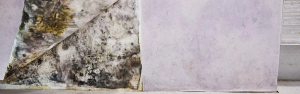
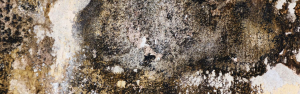
Visible growth is a clear sign of a problem. Mold can be black, green, white, gray or brown, and it may look fuzzy, slimy or powdery. It usually shows up in damp spots like bathroom ceilings, around windows and near AC vents. Even small patches are worth checking, because what you see is often only part of it. If it’s on a bathroom ceiling, see how to handle bathroom ceiling mold.
Red Flag #3: Peeling Paint or Wallpaper
Moisture trapped behind a wall can make paint or wallpaper bubble, peel or crack, and it may mean mold is growing underneath. Many homeowners repaint without fixing the cause, and the problem keeps growing behind the new paint. Watch for blistering paint, wallpaper pulling away, soft drywall and uneven surfaces, especially near plumbing or in rooms with poor airflow.
Red Flag #4: Water Stains or Discoloration
Yellow, brown or dark patches on ceilings or walls usually point to a roof leak, a pipe leak, AC condensation or storm damage. When moisture lingers, mold can start growing, and it can stay hidden behind the surface even after the leak stops. If water is coming from your AC, see what to do when your AC is leaking water inside the house.
Red Flag #5: The House Feels Stuffy and Damp
Rooms that feel clammy, closets that smell stale, and towels or clothes that never fully dry are signs that indoor humidity is too high. That kind of dampness is what lets mold get started. If anyone in the home has symptoms they’re worried about, check with a doctor; on the house side, the fix is finding the moisture.
Red Flag #6: Condensation on Windows, Pipes or Vents
Condensation forms when warm, humid air meets a cooler surface. In Miami, that happens often on windows, pipes and AC vents. Occasional condensation is normal, but constant water droplets on windows, damp walls near pipes, wet vents or dripping ducts can lead to mold over time.
Red Flag #7: Warped Walls, Floors or Ceilings
Buckling wood floors, sagging ceilings, warped baseboards and soft drywall all mean water got into the materials. When that happens, mold often grows inside them, and waiting usually makes the repair bigger.
Red Flag #8: Past Flooding or Water Damage
Homes that have flooded are especially prone to mold. Floodwater soaks deep into carpet, pad, drywall, insulation, furniture and subfloors, and damp areas can stay hidden even after cleanup. The EPA notes that wet materials should be dried within 24 to 48 hours to help prevent mold growth. Homes hit by hurricanes or heavy storms should be checked carefully.
Red Flag #9: Musty Air From the AC
If mold grows in the air handler, the ducts or around the vents, you may notice a musty smell every time the AC runs, visible growth near vents, or dust with black specks. See mold in air ducts in Florida and mold in the AC closet. Regular AC maintenance and filter changes help, and an HVAC technician should handle repairs to the system itself.
Red Flag #10: Mold Keeps Coming Back After Cleaning
If you wipe mold away and it’s back within days, the moisture source is still there and there may be more growth behind the surface. That’s the point where a professional inspection makes sense.
How Mold Spreads Inside Homes
Mold spreads through tiny spores that travel through the air and settle on surfaces. When spores land on damp drywall, carpet, wood framing, ceiling tiles or ductwork, they start to grow, and an established colony releases more spores. Controlling moisture is what stops the cycle.
Prevention Tips from FL Cleanup
Keep Indoor Humidity Below 60%
In Florida, run the AC and keep windows closed on humid days. A dehumidifier helps in closed-up rooms, and bathroom and kitchen exhaust fans should run during and after showers and cooking.
Fix Leaks Right Away
Check roofs, plumbing, water heaters, AC drain lines and window seals. Small leaks are the start of most mold problems we see.
Dry Wet Areas Quickly
After a spill, leak or storm, dry the area as fast as you can, ideally within 24 to 48 hours.
Maintain Your AC
Change filters on schedule, keep the drain line clear, and have the system serviced regularly.
Check Hidden Areas
Look under sinks, behind appliances, inside closets and around AC units a few times a year.
Professional Mold Inspection and Removal
When mold keeps coming back or covers a large area, it’s time for a professional. FL Cleanup offers a free visual inspection with moisture readings and an infrared (thermal) camera to find hidden moisture behind walls, ceilings and floors. Lab testing is separate if you need it; see mold inspection vs. mold testing.
If remediation is needed, our licensed team sets up containment, removes the affected materials following IICRC methods, and dries the structure. We’re a Florida-licensed mold assessor (MRSA4035) and mold remediator (MRSR4158).
Frequently Asked Questions
How quickly can mold grow in a home?
Mold can start growing within 24 to 48 hours after materials get wet.
Is mold always visible?
No. Mold often grows behind walls, under flooring or inside AC systems, which is why a musty smell is often the first clue.
Can I clean mold myself?
Small surface spots can sometimes be cleaned. Larger areas, or mold that keeps coming back, need a professional so the moisture source is found and fixed.
Does homeowners insurance cover mold damage?
It depends on your policy. Some policies cover mold caused by a sudden water loss but not long-term leaks. Your insurer makes the final decision, so ask your agent or adjuster.
Which areas of a Miami home are most vulnerable?
Bathrooms, kitchens, laundry rooms, closets, AC closets and ductwork are the most common spots.
How soon can someone come out?
We answer 24/7. When you call, we’ll tell you honestly when a technician can be there based on that day’s schedule.
Conclusion
Miami’s humidity and storms make mold a real concern, and catching it early keeps repairs smaller. Watch for musty smells, stains, peeling paint, condensation and mold that keeps coming back. Controlling humidity, fixing leaks fast and keeping up with AC maintenance go a long way.
FL Cleanup is a family-owned, IICRC-certified restoration company serving South Florida since 2016, with 200+ five-star Google reviews. We answer 24/7, and when you call, we’ll tell you honestly when a technician can be there based on that day’s schedule. Hablamos español.