
Introduction
Flooding can cause significant damage to homes and businesses, especially in coastal cities like Miami where storms, hurricanes, and heavy rainfall are common. While the immediate concern after a flood is removing standing water, another serious issue often develops shortly afterward—secondary mold growth.
Mold thrives in damp, warm environments. After flooding, water can seep into walls, flooring, furniture, insulation, and other hidden spaces. If moisture remains trapped, mold can begin growing within 24 to 48 hours. This is why professional water damage services in Miami are essential after any flood event.
Companies like FL Cleanup specialize in efficient water removal and structural drying to prevent mold from developing after water damage. In this article, we will explore how professional water damage services help prevent secondary mold growth and why early intervention is critical for protecting both property and health.
Why Flooding Creates the Perfect Conditions for Mold
Flooding leaves behind more than just visible water damage. When water enters a building, it often spreads through materials that absorb moisture quickly.
Common materials affected include:
- Drywall
- Wood framing
- Carpets and rugs
- Insulation
- Upholstery
- Ceiling tiles
These materials retain moisture even after standing water disappears. In Miami’s humid climate, trapped moisture creates ideal conditions for mold growth.
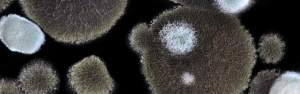
Mold spores naturally exist in the air. When these spores land on damp surfaces, they begin to grow and multiply rapidly.
Without proper drying and sanitation, mold colonies can spread throughout the building, leading to:
- Structural damage
- Poor indoor air quality
- Health issues such as allergies and respiratory irritation
Professional water damage services in Miami focus on eliminating moisture before mold has the chance to grow.
The Timeline of Mold Growth After Flooding
Understanding how quickly mold develops highlights the importance of immediate water damage response.
| Time After Flooding | What Happens |
|---|---|
| 0–24 Hours | Water spreads through floors, walls, and furniture |
| 24–48 Hours | Mold spores begin colonizing damp surfaces |
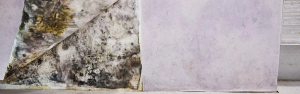
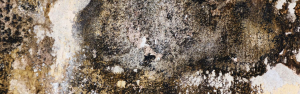
| 3–7 Days | Mold colonies become visible and begin spreading |
| 1–2 Weeks | Severe contamination may occur |
Once mold becomes established, remediation becomes more complex and expensive. This is why getting drying started early matters so much.
Step 1: Emergency Water Extraction
The first step professionals take after flooding is removing standing water as quickly as possible.
Specialized equipment used in water extraction includes:
- High-powered industrial pumps
- Wet vacuums
- Truck-mounted extraction systems
- Submersible pumps
These tools remove large volumes of water far more efficiently than household equipment.
Rapid water extraction reduces the amount of moisture absorbed into building materials, which directly lowers the risk of mold growth.
Professional water damage services in Miami prioritize this step because every hour matters when preventing mold.
Step 2: Advanced Moisture Detection
Even after water is removed, moisture often remains hidden in building materials.
Professional restoration technicians use specialized tools to detect hidden moisture, such as:
- An infrared (thermal) camera
- Moisture meters
- Hygrometers
- Wall cavity sensors
These devices allow technicians to locate moisture trapped inside walls, floors, and ceilings. FL Cleanup starts with a free visual inspection with moisture readings and an infrared (thermal) camera.
Without professional detection equipment, homeowners may not realize that damp areas still exist. Hidden moisture is one of the most common causes of secondary mold growth.
By identifying these areas early, restoration experts can ensure that no moisture is left behind.
Step 3: Industrial-Grade Structural Drying
After moisture detection, restoration professionals begin the structural drying process.
This step is critical because it removes moisture from materials that absorbed water during the flood.
Equipment used in professional drying includes:
- Industrial air movers
- Commercial dehumidifiers
- Desiccant drying systems
- High-velocity fans
These machines work together to remove moisture from surfaces and the surrounding air.
Air movers increase airflow across damp surfaces, while dehumidifiers remove moisture from the air to accelerate evaporation.
Proper structural drying can take anywhere from 24 hours to several days, depending on the severity of the flooding.
By thoroughly drying materials, professional water damage services in Miami prevent the conditions mold needs to grow.
Step 4: Removal of Water-Damaged Materials
Some materials become too damaged by water to salvage.
Porous materials such as drywall, insulation, and carpeting may need to be removed if they remain saturated for extended periods.
Professional restoration teams assess the condition of materials and determine whether they can be saved.
Removing contaminated materials helps prevent mold spores from spreading throughout the building.
Common materials that may require removal include:
- Wet drywall panels
- Mold-contaminated insulation
- Waterlogged carpets
- Damaged ceiling tiles
Proper disposal prevents mold growth from spreading to other areas of the home.
Step 5: Cleaning and Sanitizing Affected Areas
Floodwater often contains bacteria, dirt, and contaminants that promote microbial growth.
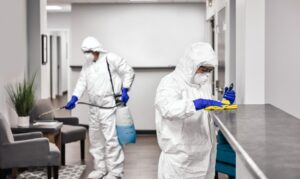
After drying and removal of damaged materials, restoration professionals thoroughly clean and sanitize affected surfaces.
Cleaning methods may include:
- Antimicrobial treatments
- Disinfectant sprays
- HEPA vacuuming
- Surface scrubbing
These steps clean affected surfaces and remove residue left behind by floodwater.
Sanitization is particularly important when floodwater comes from storm surges.
Professional water damage services in Miami use professional cleaning products as part of an effective mold prevention plan.
Step 6: Air Filtration and Mold Prevention
During the restoration process, mold spores can become airborne. This is why professionals use air filtration systems to improve indoor air quality.
High-Efficiency Particulate Air (HEPA) filtration systems capture microscopic particles, including mold spores.
Air scrubbers help remove contaminants from indoor air, reducing the risk of mold spreading to unaffected areas.
This step is especially important for protecting residents with allergies or respiratory conditions.
Step 7: Structural Repairs and Restoration
After drying, cleaning, and mold prevention steps are complete, the final stage of restoration begins.
This stage may include:
- Replacing drywall
- Repairing flooring
- Repainting walls
- Installing new insulation
- Restoring cabinets and fixtures
The goal is to return the property to its original condition while keeping the structure dry and mold-free.
Professional restoration ensures repairs are completed using materials and methods that reduce future moisture problems.
Health Risks of Secondary Mold Growth
If mold develops after flooding, it can cause a variety of health problems.
Common symptoms of mold exposure include:
- Sneezing
- Runny nose
- Itchy eyes
- Coughing
- Skin irritation
People with asthma, allergies, or weakened immune systems may experience more severe reactions.
Long-term mold exposure may also affect indoor air quality, making homes uncomfortable to live in.
Preventing mold through prompt water damage restoration protects both property and personal health.
Why DIY Flood Cleanup Is Risky
Many homeowners attempt to clean up flood damage on their own. However, DIY methods often fail to remove all moisture.
Household fans and dehumidifiers typically lack the power required to dry structural materials completely.
Common problems with DIY cleanup include:
- Hidden moisture left behind
- Mold growth in wall cavities
- Contaminated materials remaining inside the home
- Inadequate sanitation
Professional water damage services in Miami have the training, equipment, and experience needed to handle flood damage properly.
Benefits of Hiring Professional Water Damage Services in Miami
Hiring professionals offers several key advantages.
24/7 Emergency Line
FL Cleanup answers 24/7; when you call, we’ll tell you honestly when a technician can be there based on that day’s schedule.
Specialized Equipment
Professional equipment removes water and moisture more effectively than household tools.
Accurate Moisture Detection
Advanced tools identify hidden water damage that could otherwise lead to mold.
Thorough Mold Prevention
Professionals use antimicrobial treatments and air filtration systems to help prevent mold growth.
Complete Property Restoration
Restoration experts repair structural damage and restore homes properly.
These benefits make professional services essential after any major flood event.
How FL Cleanup Helps Prevent Mold After Flooding
FL Cleanup provides comprehensive water damage restoration services designed to protect Miami homes from mold growth.
Their restoration process includes:
- Emergency water extraction
- Moisture detection and assessment
- Industrial structural drying
- Removal of contaminated materials
- Cleaning and sanitation
- Air filtration and mold prevention
- Complete restoration and repairs
By addressing every stage of water damage recovery, FL Cleanup helps homeowners avoid the costly consequences of mold infestations.
Frequently Asked Questions
How quickly does mold grow after flooding?
Mold can begin growing within 24 to 48 hours if moisture remains in building materials.
Can mold grow even after visible water is gone?
Yes. Moisture can remain trapped in walls, flooring, and insulation even after surfaces appear dry.
How long does professional drying take?
Drying typically takes 2 to 5 days, depending on the extent of water damage.
Is floodwater dangerous?
Floodwater may contain bacteria, chemicals, and debris, which is why professional cleaning and sanitizing are important.
Do water damage services also remove mold?
Many restoration companies offer both water damage restoration and mold remediation services. FL Cleanup is a Florida-licensed mold assessor (MRSA4035) and mold remediator (MRSR4158).
When should I call a water damage restoration company?
You should contact professionals immediately after flooding to prevent mold growth and structural damage.
Conclusion
Flooding can quickly turn into a much larger problem if secondary mold growth develops. Moisture trapped in walls, floors, and furniture creates the perfect environment for mold to spread within days.
Professional water damage services in Miami play a crucial role in preventing this issue. Through water extraction, advanced moisture detection, industrial drying, and sanitation, restoration professionals eliminate the conditions mold needs to thrive.
Companies like FL Cleanup provide comprehensive restoration services that protect homes from long-term damage and health risks.
Acting quickly after a flood is the best way to prevent mold growth, reduce repair costs, and restore your property.
FL Cleanup is a family-owned, IICRC-certified restoration company serving South Florida since 2016. We answer 24/7; when you call, we’ll tell you honestly when a technician can be there based on that day’s schedule. Hablamos español.