If you think you have mold in your Miami home, the first thing most people search is “mold testing.” But in a lot of cases, what you really need first is a mold inspection. They sound alike, and some companies use them interchangeably, but they answer different questions. Knowing which one you need can save you money and get the problem fixed faster.
What a Mold Inspection Is
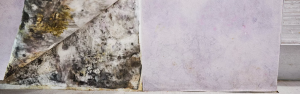
A mold inspection is a hands-on look at your home to find mold and, just as important, the moisture causing it. A good inspection usually includes:
- A visual check of problem areas: bathrooms, under sinks, AC closets, windows, ceilings and baseboards
- Moisture meter readings on drywall, wood and flooring
- An infrared (thermal) camera scan to spot cool, damp areas hidden behind walls and ceilings
- A look at the likely source: a slow leak, an AC drain line, a roof or window problem, or high indoor humidity
The inspection answers: Where is the mold, how far has it spread, and why is it there?
What Mold Testing Is
Mold testing means taking samples and sending them to a lab. The most common types are:
- Air samples: compare the spore levels inside your home to an outdoor sample
- Surface samples: a swab or tape lift from a stain to identify what’s growing
- Wall cavity samples: air drawn from inside a wall when mold is suspected but not visible
Testing answers: What type of mold is it, and are airborne spore levels elevated compared to outside? In Florida, mold assessments done for pay must be performed by a licensed mold assessor.
Side by Side
| Mold Inspection | Mold Testing | |
|---|---|---|
| Main question | Where is it and what’s causing it? | What is it and how much is in the air? |
| Tools | Eyes, moisture meter, infrared camera | Air pumps, swabs, lab analysis |
| Results | Same visit | Usually a few days from the lab |
| Finds the leak? | Yes, that’s the point | No, a lab can’t find a leak |
When You Probably Don’t Need Testing
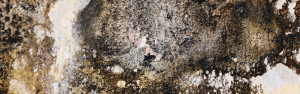
If you can already see mold growing and you know there was water, testing often won’t change what needs to happen. The EPA’s general guidance is that visible mold should be removed and the moisture problem fixed, no matter what species it is. In that case, your money is usually better spent on finding the source and doing the work right.
When Testing Is Worth It
- You smell mustiness but can’t find any visible mold
- Someone in the home has health concerns and their doctor wants more information
- You’re buying, selling or renting a property and need documentation
- There’s a dispute with a landlord, HOA, condo association or insurance company
- Remediation is finished and you want proof the area passed (called clearance testing)
The Best Order for Most Homeowners
Start with an inspection. It tells you whether there’s a moisture problem, where it is, and how big the job looks. From there, you’ll know whether lab testing adds anything or whether it’s time to fix the source and remove the mold. If you’re not sure what you’re dealing with, start with our guides on finding hidden mold and what a musty smell means in a Florida home.
Free Visual Mold Inspection in South Florida
FL Cleanup offers a free visual inspection with moisture readings and an infrared (thermal) camera across Miami-Dade, Broward and Palm Beach. If mold is confirmed, we can walk you through mold remediation and what it will take. We answer 24/7, and hablamos español. Call 877-224-2532 or request a free visual inspection online.
About the author: James Rice-Peña is the owner of FL Cleanup and a Florida-licensed Mold Assessor (MRSA4035) and Mold Remediator (MRSR4158). He has worked in property restoration in South Florida since 2012, and FL Cleanup has earned 200+ five-star Google reviews.