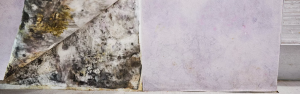
Bathroom ceilings are one of the most common places for mold, especially in Florida. Every hot shower fills the room with steam, the moisture rises, and if it can’t escape, it settles on the ceiling. Add our year-round humidity, and those little black spots show up fast.
The good news: small patches are usually something you can clean yourself. Here’s how, and how to tell when it’s something more.
First: Is It Small Enough to Clean Yourself?
As a general rule, if the moldy area is smaller than about 10 square feet (roughly a 3-foot by 3-foot patch) and the ceiling is solid and dry, you can usually clean it yourself. If it’s bigger than that, the ceiling is soft or stained, or the mold keeps coming back, skip ahead to when to call a pro.
How to Clean Mold Off a Bathroom Ceiling
- Protect yourself. Wear gloves, eye protection, and an N95 mask. You’ll be working overhead, so things will drip.
- Run the bathroom exhaust fan while you work.
- Scrub with soap and water. A mix of water and dish detergent on a sponge or soft brush works well on painted ceilings. Don’t soak the drywall.
- Wipe and dry completely. Use a clean damp cloth to wipe off residue, then let the area dry fully. A fan helps.
- Bag your rags and sponge and throw them out.
A note on bleach: bleach can lighten the stain so it looks gone, but it doesn’t soak into porous drywall well. Never mix bleach with ammonia or other cleaners, since that creates toxic fumes.
How to Keep It From Coming Back
- Run the exhaust fan during every shower and for 20–30 minutes after.
- Check that the fan actually vents outside. Some fans dump moist air into the attic, which causes mold above the ceiling.
- Keep the bathroom door open after showers when you can, and keep the AC running so the house stays dry.
- Repaint with a mold-resistant bathroom paint once the area is clean and dry.
When It’s More Than Shower Steam
Sometimes ceiling mold isn’t from your shower at all. It’s from water coming from above. Call a professional if you notice:
- Yellow or brown water stains, bubbling paint, or a soft, sagging ceiling
- Mold that comes back within weeks of cleaning
- An area bigger than about 10 square feet
- A musty smell even when the bathroom is dry
- You live in a condo with a unit above you
These usually point to a roof leak, a plumbing leak, an AC line, or a neighbor’s bathroom upstairs. If you’re in a condo, read who pays for a leak from upstairs. And since mold can start growing within days of a leak, it pays to act quickly.
In Florida, mold remediation over 10 square feet done for pay must be handled by a licensed mold remediator. A mold inspection with moisture meters and an infrared (thermal) camera can find hidden moisture behind the ceiling, and professional mold remediation removes the damaged material and fixes the cause.
Request a Free Visual Inspection in South Florida
Not sure if it’s steam or a leak? FL Cleanup offers a free visual inspection with moisture readings and an infrared (thermal) camera across South Florida. We answer 24/7, and hablamos español. Call 877-224-2532 or request a free visual inspection online.
About the author: James Rice-Peña is the owner of FL Cleanup and a Florida-licensed Mold Assessor (MRSA4035) and Mold Remediator (MRSR4158). He has worked in property restoration in South Florida since 2012, and FL Cleanup has earned 200+ five-star Google reviews.