You find a stain on the ceiling, a soft spot in the wall or a warped baseboard, and the first question is always the same: is this new, or has it been going on for a while? I’ve been doing water damage work in South Florida since 2012, with more than 5,000 water jobs behind me, and I’ve also served as a mold expert in attorney cases where the age of the damage was part of the dispute. Here’s what we look at, in plain language.
This is general information, not legal or insurance advice. Your policy and your insurer decide coverage.
Why the Age of Water Damage Matters
- Insurance. Many homeowners policies treat a sudden leak, like a burst supply line, very differently from a slow leak that went on for weeks. Some policies exclude damage from repeated seepage or leakage over time. Read your policy and talk to your agent.
- Buying or selling a home. An old, dry stain from a roof leak that was fixed years ago is a different conversation than an active leak behind the shower.
- Landlords, tenants and condo neighbors. When water came from another unit or a shared pipe, when it started can affect who is responsible.
- The repair itself. New water can often be dried in place. Old water usually means more material has to come out, and mold is more likely.
Signs the Water Damage Is New
- The area is still wet to the touch, or a moisture meter reads high
- One clean stain edge, without layered rings
- Drywall is damp but still firm, and paint hasn’t started to bubble or peel
- No visible mold growth yet
- You can tie it to a recent event: a storm last night, a supply line that just let go, an AC drain that backed up this week
Signs the Water Damage Is Old
Rings like a tree
A stain with several darker rings usually means the area got wet, dried, and got wet again, more than once. That points to a leak that comes and goes, like a roof leak that only shows up in heavy rain or an AC drain that overflows now and then.
Soft, crumbling or sagging materials
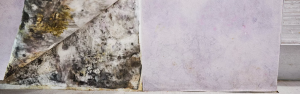
Drywall that has been wet for a long time loses its strength. It gets soft, crumbles when you press it, or sags in the ceiling. Wood starts to rot or delaminate, and laminate or vinyl flooring cups and lifts.
Mold growth
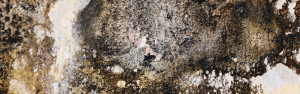
In South Florida humidity, mold can start on wet drywall within 24 to 48 hours, but heavy, spread-out growth or growth on the back side of drywall usually means the water has been there much longer. A strong musty smell that has been building for weeks is another clue. Here’s more on how fast mold grows after water damage.
Rust and stains on metal
Rusted drywall screws, nail heads bleeding through paint, corroded tack strips under carpet or rusted metal studs and outlet boxes all take time to develop.
A dry stain with nothing behind it
Sometimes a stain is old but the problem is gone. If moisture readings are normal and the infrared camera shows nothing, the leak may have been fixed long ago and only the stain is left. That’s good news, but it’s worth confirming before you paint over it.
How We Check It on a Job
No one can look at a stain and give you an exact date. What we can do is gather evidence and tell you what it points to. On a typical inspection we:
- Scan walls, ceilings and floors with an infrared (thermal) camera to find cooler, wet areas you can’t see
- Take moisture readings to tell an active leak from an old, dry stain
- Look at the pattern: rings, rust, rot, mold and how far the water traveled
- Trace the likely source, such as a supply line, roof, window, AC drain or a unit above
- Photograph and document everything with dates, so you have a record for your insurer, a buyer, a landlord or an attorney
In disputes, the honest answer is often a range, not a date. Good documentation from the start makes that range much clearer, which is why we photograph and log readings before anything is opened up.
What to Do If You Find Water Damage
- Stop the water if you can, or shut off the main.
- Take photos and video before you move or clean anything.
- Don’t paint over it or patch it until you know it’s dry.
- Get it checked with moisture readings and an infrared camera.
- Notify your insurance company promptly if you plan to make a claim.
A musty smell is often the first sign of a hidden leak, long before a stain shows. If that sounds familiar, read our guide to musty smells in Florida homes. If the water has already caused mold, see our mold removal service in Miami, and for active leaks, our water damage restoration in Miami. Buildings and condo associations can start with burst pipe and commercial water damage in Miami-Dade.
Two places old leaks often hide: behind the shower (here are the signs of a leak behind shower tile) and under the flooring (see whether floors have to come out after water damage).
In older homes, layered stains near a wall or ceiling line can also come from pinhole leaks in old pipes that drip on and off for weeks.
We answer 24/7; when you call, we’ll tell you honestly when a crew can be there based on that day’s schedule. Hablamos español.
About the Author
James Rice-Peña founded FL Cleanup in 2016 and has worked in property restoration in South Florida since 2012. He is a Florida licensed mold remediator (MRSR4158), IICRC certified in water, mold, fire and odor work, and he and the FL Cleanup team have handled more than 5,000 water damage jobs. James has also served as a mold expert in attorney cases.
Featured in VoyageTampa and Shoutout Miami. Meet the FL Cleanup team.