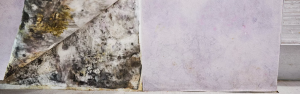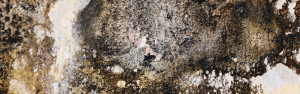
Pinhole leaks in old supply pipes usually drip inside a wall, under a cabinet or under the slab for weeks before anyone sees them. In older South Florida homes, the first signs are often a higher water bill, a musty smell, swollen baseboards or bubbling paint low on a wall. Shut off the water, get a plumber to find and fix the pipe, then have the area checked for hidden moisture before it turns into mold. Call 877-224-2532 for a free infrared inspection.
A lot of homes in Kendall, Westchester, Hialeah, Miami Springs, North Miami, Hollywood, Plantation and Fort Lauderdale were built between the 1950s and the 1980s. Many still have some original plumbing, or a mix of old and newer pipe from past repairs. I’ve worked more than 5,000 water jobs here since 2012, and slow supply line leaks in older homes are some of the most common ones we dry out.
Why Older Pipes Leak
- Galvanized steel rusts from the inside over decades. You may notice low water pressure or rust-colored water before it leaks.
- Older copper can develop tiny pinholes, often at bends, near fittings or where the pipe rubs against something.
- Polybutylene (gray plastic pipe used in many homes from the late 1970s to the mid-1990s) is known for failing at fittings.
- Old shutoff valves and supply hoses under sinks, toilets and behind washers wear out and drip.
- Pipes under the slab. A leak under the floor can spread water through the slab and into walls and flooring across several rooms.
Signs of a Hidden Pipe Leak
- Your water bill jumps without a change in how you use water
- The water meter keeps moving with every fixture off
- A musty smell in one room or closet (see musty smell in a Florida house)
- Baseboards swelling, separating or staining at the bottom
- Paint bubbling or drywall soft near the floor
- A warm spot on a tile floor, which can point to a hot water line under the slab
- The sound of running water when nothing is on
- Wood or laminate floors cupping or lifting at the seams
What to Do First
- Shut off the water at the main if you can’t isolate the leak.
- Take photos and video of the stains, swollen baseboards and floors before anything is moved.
- Call a plumber for leak detection and repair. FL Cleanup doesn’t repair pipes; we handle the water damage the leak caused. Drain or sewer line problems also go to a plumber first.
- Get the area checked for moisture. The pipe can be fixed while the wall, cabinet base and flooring around it are still wet.
- Run the AC and keep the house closed up to bring humidity down while you wait.
Why the Drying Matters After the Repair
A slow leak has usually soaked more than it looks like. Water wicks up drywall, sits under cabinets and spreads under flooring along the slab. In our humidity, wet materials can start growing mold within a day or two (see how fast mold grows after water damage). We scan with moisture meters and an infrared (thermal) camera to see how far the water went, dry what can be dried, and remove only what can’t be saved. More on when drywall has to come out and whether floors have to come out.
Insurance and Slow Leaks
Many policies treat a sudden burst very differently from a leak that dripped for weeks. Report it promptly and keep every photo and invoice. Read does homeowners insurance cover a slow leak in Florida? and how to tell if water damage is old or new. This is general information; your insurer makes the final coverage decision.
If You Live in an Older Condo
A pinhole leak in your unit can show up as a stain in the unit below first. Tell management right away. See water damage in older condo buildings and water leaked into the unit below.
FAQ
Should I repipe the whole house after one pinhole leak?
That’s a question for a licensed plumber, who can check the condition of the rest of your pipe. One leak can be a one-off; several leaks in a year usually means the pipe is wearing out.
The plumber fixed it. Do I still need anyone else?
If the leak ran for a while, yes, get it checked. The pipe is fixed, but the wall and floor around it may still be wet. Our infrared inspection is free.
How long does drying take?
Most clean-water leaks take about 3 to 5 days. See how long water damage takes to dry.
We answer 24/7; when you call, we’ll tell you honestly when a crew can be there based on that day’s schedule. Hablamos español. If the leak led to mold, see condo mold removal in Miami, or call us for a house.
About the author: James Rice-Peña founded FL Cleanup, a family-owned South Florida restoration company serving homeowners and buildings since 2016. He has worked in restoration since 2012, has completed more than 5,000 water jobs, has served as a mold expert in attorney cases, is a Florida-licensed Mold Assessor (MRSA4035) and Mold Remediator (MRSR4158), and is IICRC certified. FL Cleanup has 200+ five-star Google reviews.