One of the first questions homeowners ask us after a leak is whether the walls have to come out. The answer is not always. A lot of drywall can be saved if the water is clean and drying starts soon. But some of it can’t, and closing up a wall that is still wet inside is one of the most common ways a simple leak turns into a mold job in South Florida.
The Short Answer
Drywall can often be dried in place when the water was clean, the drywall is still firm, there’s no mold, and professional drying starts within a day or two. It usually has to be replaced when it’s soft, swollen or sagging, when mold is growing, when the water was dirty, or when it stayed wet too long.
When Wet Drywall Can Usually Be Saved
- Clean water source. A burst supply line, a leaking water heater or a sink supply hose.
- Caught early. Drying equipment goes in within the first 24 to 48 hours.
- Still firm. The drywall holds its shape and doesn’t crumble when pressed.
- No mold. No visible growth on the front, and none found when we check the back.
- Nothing trapping the water. Vinyl wallpaper, several layers of paint or cabinets can hold moisture in. Sometimes we drill small holes behind the baseboard or pull the baseboard to let the wall cavity breathe.
When Drywall Has to Be Replaced
- It’s soft, crumbling, swollen at the bottom or sagging from the ceiling
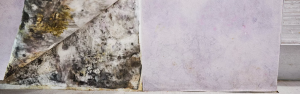
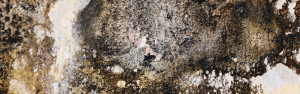
- Mold is growing on the front or the back
- The water came from a dirty source, like outside flood water or a drain backup
- Wet insulation behind it can’t be dried in place
- It stayed wet for days before anyone found it
- The paper face is peeling away from the gypsum core
When drywall has to go, we cut out only what’s damaged, usually in a straight line above the wet area so the repair is clean for your contractor. Wet ceiling drywall that sags should be treated with care. It can come down suddenly when it’s holding water, so keep people and pets out from under it.
Once the wet drywall is out and the framing reads dry, the wall still has to be put back. If you’d rather not line up a separate contractor, our rebuild after water damage in Miami team can put the drywall and baseboards back.
The same questions come up for the floor. See whether wood, laminate or tile floors have to come out after water damage, and if the wet wall is behind a shower, check the signs of a leak behind shower tile.
Why South Florida Changes the Timeline
Our humidity works against drying. Wet drywall in a Miami home doesn’t dry out on its own the way it might in a dry climate, and mold can start in 24 to 48 hours. Turning on fans by yourself often moves damp air around without pulling the moisture out of the wall. Commercial dehumidifiers and air movers, set up to dry the wall cavity, make the difference. More on how long water damage takes to dry and how fast mold grows after water damage.
How We Decide on a Job
We don’t guess. On every water job we:
- Scan with an infrared (thermal) camera to see how far the water spread behind the paint
- Take moisture readings to map exactly which sections are wet
- Check the source to know if the water was clean or dirty
- Look for mold on the back side wherever we open a wall
- Take daily readings and only call a wall dry when the numbers say so
That last step matters most. A wall can feel dry on the outside and still be wet inside. Once your contractor puts new drywall, paint or cabinets over a wet wall, the moisture is trapped and mold has everything it needs.
Mistakes to Avoid
- Painting over a water stain before confirming the wall is dry
- Using bleach on drywall mold and calling it fixed. Drywall is porous, and mold on it usually has to be removed, not wiped.
- Leaving wet baseboards and carpet pad in place against the wall
- Waiting to see if it dries on its own
What About Insurance?
Your insurer decides what’s covered. What we can do is give them clear photos, moisture logs and a written scope showing why each section was dried or removed. That documentation usually makes the conversation easier.
Noticed a musty smell before you saw any stain? That’s often how hidden leaks show up first. Read our guide to musty smells in Florida homes. If you need help now, see our water damage restoration in Miami, our mold removal service if mold has already started, and, for condos and commercial buildings, burst pipe and commercial water damage in Miami-Dade. After the source is fixed and everything is dry, any odor that lingers can be handled with our whole-home odor removal.
We answer 24/7; when you call, we’ll tell you honestly when a crew can be there based on that day’s schedule. Hablamos español.
About the author: James Rice-Peña founded FL Cleanup, a family-owned South Florida restoration company serving homeowners and buildings since 2016. He has worked in restoration since 2012, has completed more than 5,000 water jobs, is a Florida-licensed Mold Assessor (MRSA4035) and Mold Remediator (MRSR4158), and is IICRC certified. FL Cleanup has 200+ five-star Google reviews.