
Miami is famous for its sunshine, beaches, and tropical vibe. But behind that beauty lies a climate that can be brutal on buildings—especially after flooding. With constant humidity, heavy rains, and hurricane threats, water damage here doesn’t just dry up on its own. That’s exactly why moisture mapping after flooding isn’t optional in Miami—it’s essential.
Property owners often assume that once visible water is removed, the problem is solved. Unfortunately, that’s rarely the case. Water has a sneaky way of hiding inside walls, under floors, and within structural materials. If left unchecked, it can quietly cause mold growth, odors, and long-term damage. Moisture mapping helps uncover what the eye can’t see, making it a critical step in flood restoration.
In this guide, we’ll break down why Miami’s climate makes moisture mapping so important, how the process works, and why professionals like FL Cleanup rely on it to protect homes and businesses.
Understanding Miami’s Unique Climate Challenges
High Humidity Levels Year-Round
Miami’s humidity isn’t seasonal—it’s constant. Average humidity levels often hover above 70%, which means moisture sticks around longer than it would in drier climates. After flooding, this lingering humidity slows evaporation and creates the perfect environment for mold growth.
Because of this, moisture mapping after flooding becomes a vital diagnostic step. It helps professionals determine where moisture is trapped and how deeply it has penetrated building materials.
Heavy Rainfall and Flood Risks
Miami receives significant rainfall, especially during hurricane season. According to data from the National Oceanic and Atmospheric Administration (NOAA), South Florida experiences frequent extreme weather events, increasing flood risks for both residential and commercial properties.
Floodwater doesn’t just affect ground-level surfaces. It seeps into foundations, wall cavities, and insulation—areas that can’t be assessed without proper moisture detection tools.
What Is Moisture Mapping After Flooding?
Moisture mapping after flooding is a professional assessment process that identifies, measures, and documents moisture levels throughout a structure. Instead of guessing where water may be hiding, technicians use specialized equipment to create a “map” of affected areas.
How Moisture Mapping Works
Technicians systematically scan walls, floors, ceilings, and structural components using moisture meters and an infrared (thermal) camera. These tools detect elevated moisture levels and temperature differences caused by trapped water.
This detailed approach helps make sure damp areas aren’t missed, even in hard-to-reach spaces.
Tools Used in Professional Moisture Mapping
- Non-invasive moisture meters
- An infrared (thermal) camera
- Hygrometers for humidity readings
- Data logging devices
Together, these tools provide accurate, actionable data that guides the drying and restoration process.
Why Moisture Mapping After Flooding Is Critical in Miami
Hidden Moisture Behind Walls and Floors
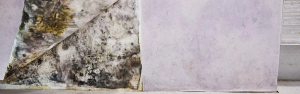
In Miami’s climate, water doesn’t evaporate quickly. Moisture can remain trapped behind drywall or under tile flooring for weeks. Without moisture mapping after flooding, these hidden wet spots are often missed.
Over time, trapped moisture weakens materials, causes paint to bubble, and leads to unpleasant odors. Moisture mapping helps make sure every affected area is addressed before repairs begin.
Preventing Mold Growth in Humid Environments
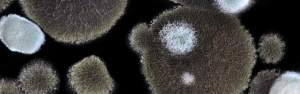
Mold thrives in warm, damp conditions—exactly what Miami offers. Even small amounts of residual moisture can trigger mold growth within 24–48 hours.
By identifying moisture early, professionals can dry affected areas thoroughly, reducing the risk of mold problems that are expensive and disruptive to fix.
The Science Behind Moisture Migration
Capillary Action and Porous Materials
Water doesn’t stay put. Through capillary action, moisture travels upward and outward through porous materials like concrete, wood, and drywall.
Concrete, Drywall, and Wood Risks
- Concrete absorbs water and releases it slowly
- Drywall loses structural integrity when wet
- Wood warps, swells, and promotes mold growth
Moisture mapping after flooding helps track this movement, so drying efforts target both obvious and less obvious areas.
Consequences of Skipping Moisture Mapping
Structural Damage Over Time
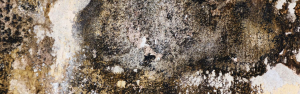
When moisture is left untreated, it weakens foundations, corrodes metal components, and deteriorates building materials. What starts as minor water damage can turn into major structural repairs.
Mold and Lingering Musty Smells
Persistent moisture encourages mold and mildew growth, along with the musty smell that comes with them. If anyone in the home has health concerns, talk with a doctor. On the restoration side, the fix is finding the moisture and drying it out.
Skipping moisture mapping after flooding makes these problems much more likely.
Moisture Mapping vs Visual Inspections
Why Visual Checks Aren’t Enough
A surface may look dry while still holding moisture underneath. Visual checks rely on appearance, whereas moisture mapping relies on data. That’s why our free visual inspection always includes moisture readings and an infrared (thermal) camera.
This data-driven approach gives a clearer picture and helps prevent premature restoration work that could fail later.
Role of Moisture Mapping in Professional Flood Restoration
Supporting Accurate Drying Plans
Moisture mapping allows restoration teams to create targeted drying strategies. Instead of overusing equipment everywhere, they focus on areas that truly need it.
This saves time and reduces costs—something every Miami property owner appreciates.
Miami Building Codes and Insurance Considerations
Documentation for Insurance Claims
Insurance companies often require proof that water damage was properly assessed and mitigated. Moisture mapping reports provide clear documentation of affected areas and drying progress.
Good documentation can help reduce disputes and gives your adjuster a clear record of what was wet and how it was dried.
Why FL Cleanup Uses Moisture Mapping
Experience, Expertise, and Trust
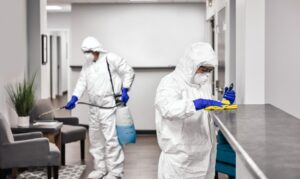
At FL Cleanup, moisture mapping after flooding isn’t just a step—it’s a standard. Our trained technicians understand Miami’s climate and track drying with readings until materials are back to normal.
FL Cleanup is IICRC certified and holds Florida mold licenses (Assessor MRSA4035, Remediator MRSR4158). Every job starts with a free visual inspection with moisture readings and an infrared (thermal) camera.
Frequently Asked Questions (FAQs)
How long does moisture mapping after flooding take?
Typically, the process takes a few hours, depending on property size and damage extent.
Is moisture mapping necessary for minor flooding?
Yes. Even small floods can leave hidden moisture that causes long-term issues.
Can moisture mapping detect mold?
It detects moisture conditions that lead to mold, not mold itself. Mold testing by a licensed assessor is a separate service.
How soon should moisture mapping be done after flooding?
As soon as possible—ideally within 24 hours.
Does insurance cover moisture mapping?
Many policies include it as part of professional water damage restoration.
Can I do moisture mapping myself?
DIY tools lack accuracy. Professional equipment provides reliable results.
Conclusion
Miami’s tropical climate makes water damage far more complex than it appears on the surface. High humidity, frequent storms, and porous building materials all contribute to hidden moisture problems. That’s why moisture mapping after flooding is essential—not optional—for protecting your property.
By identifying trapped moisture early, property owners can prevent mold, avoid costly repairs, and restore their spaces properly. With FL Cleanup, Miami residents can face flood recovery with confidence, knowing drying is measured, not guessed.
FL Cleanup is a family-owned, IICRC-certified restoration company serving South Florida since 2016. We answer 24/7; when you call, we’ll tell you honestly when a technician can be there based on that day’s schedule. Hablamos español.