
Miami’s tropical climate brings sunshine most of the year, but it also comes with a serious downside—powerful storms. From tropical storms and hurricanes to sudden heavy rainfall, Miami properties face frequent weather-related damage. When storms hit, the aftermath can be overwhelming for homeowners and business owners alike. That’s where professional storm cleanup in Miami becomes essential.
Storm damage is not always obvious at first glance. While fallen trees and flooded floors are easy to spot, many issues remain hidden and worsen over time if not handled properly. This article explores the most common storm damage problems that require professional storm cleanup services and explains why fast, expert intervention is critical in Miami.
Why Storm Cleanup in Miami Is So Important
Miami’s location makes it particularly vulnerable to storms. High winds, intense rain, storm surges, and flooding can damage structures in a matter of hours. Because humidity levels stay high year-round, moisture-related problems escalate quickly if cleanup is delayed.
Professional storm cleanup in Miami helps:
- Prevent long-term structural damage
- Reduce mold and health risks
- Restore safety and functionality
- Protect property value
- Speed up insurance claims
Ignoring storm damage or attempting DIY cleanup often leads to higher repair costs down the road.
Flooding and Standing Water
The Most Common Storm Damage Issue
Flooding is one of the most frequent problems after storms in Miami. Heavy rainfall, poor drainage, and storm surges can cause water to enter homes and commercial buildings through doors, windows, roofs, or foundations.
Standing water can:
- Damage flooring and walls
- Weaken foundations
- Ruin furniture and appliances
- Create breeding grounds for bacteria and pests
Professional storm cleanup teams use industrial pumps and water extraction equipment to remove standing water quickly and safely.
Water Damage to Walls, Floors, and Ceilings
Even after visible water is removed, moisture often remains trapped inside building materials. Drywall, wood, insulation, and concrete easily absorb water during storms.
Common signs include:
- Bubbling or peeling paint
- Warped floors
- Stained ceilings
- Soft or crumbling drywall
Storm cleanup in Miami involves advanced drying techniques and moisture detection tools to ensure hidden water doesn’t lead to future damage.
Roof Damage and Leaks
High winds and flying debris frequently damage roofs during storms. Missing shingles, cracked tiles, and punctures allow rainwater to enter the structure long after the storm has passed.
Roof-related storm damage often leads to:
- Interior water damage
- Mold growth in attics
- Insulation saturation
- Electrical hazards
Professional cleanup teams work alongside roofing specialists to secure affected areas and prevent further water intrusion.
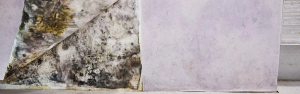
Mold Growth After Storms
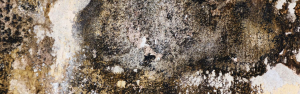
Miami’s warm, humid environment makes mold growth one of the biggest post-storm concerns. Mold can begin developing within 24 to 48 hours of water exposure.
Storm-related mold issues commonly occur in:
- Wall cavities
- Under flooring
- HVAC systems
- Attics and crawl spaces
Professional storm cleanup in Miami includes mold prevention and, when necessary, mold remediation to protect indoor air quality and occupant health.
Structural Damage
Storms don’t just affect surfaces—they can compromise the structural integrity of buildings. High winds, flooding, and debris impact can weaken load-bearing components.
Structural storm damage may involve:
- Cracked foundations
- Shifted walls
- Damaged support beams
- Compromised ceilings
This type of damage is dangerous and should never be ignored. Cleanup professionals help stabilize the structure and coordinate further repairs.
Fallen Trees and Debris
Storms often leave behind fallen trees, broken branches, and scattered debris. These hazards can block entrances, damage vehicles, and pose safety risks.
Debris removal is a critical part of storm cleanup in Miami, especially for:
- Residential neighborhoods
- Commercial properties
- Parking areas
- Emergency access routes
Professional crews have the equipment and experience to remove debris safely without causing additional damage.
Electrical System Damage
Water and electricity are a dangerous combination. Storm flooding can damage electrical panels, wiring, outlets, and appliances.
Warning signs include:
- Power outages
- Burning smells
- Tripped breakers
- Non-functioning outlets
Storm cleanup professionals work with licensed electricians to ensure electrical systems are safe before power is restored.
Sewage Backups and Contamination
Heavy storms can overwhelm sewer systems, causing sewage backups in homes and businesses. This type of storm damage is especially hazardous.
Sewage-contaminated water contains:
- Harmful bacteria
- Viruses
- Toxic substances
Professional storm cleanup in Miami includes proper containment, sanitation, and disposal to restore a safe environment.
HVAC System Damage
Floodwater and excess moisture can damage heating, ventilation, and air conditioning systems. Contaminated HVAC units can spread mold spores and bacteria throughout a building.
Cleanup services may involve:
- System inspection
- Component cleaning
- Filter replacement
- Moisture removal
Protecting HVAC systems is essential for maintaining indoor air quality after a storm.
Damage to Personal Belongings
Storms can ruin furniture, carpets, electronics, documents, and personal items. Water exposure, mold, and contamination often make items unsafe or unusable.
Professional storm cleanup teams assess which items can be:
- Cleaned and restored
- Dried and sanitized
- Safely disposed of
This process helps minimize losses while prioritizing health and safety.
Why DIY Storm Cleanup Is Risky
Many property owners attempt to handle storm damage themselves, but this approach comes with serious risks:
- Hidden moisture goes undetected
- Mold growth accelerates
- Structural issues are overlooked
- Safety hazards increase
- Insurance claims may be denied
Professional storm cleanup in Miami ensures the job is done thoroughly, safely, and in compliance with industry standards.
How FL Cleanup Handles Storm Cleanup in Miami
FL Cleanup provides comprehensive storm cleanup services designed specifically for Miami’s climate challenges. Their experienced team responds quickly to minimize damage and restore properties efficiently.
Services include:
- Emergency water extraction
- Moisture detection and drying
- Mold prevention and remediation
- Debris removal
- Structural drying support
- Insurance documentation assistance
With advanced equipment and trained professionals, FL Cleanup ensures no damage is left behind.
When to Call for Professional Storm Cleanup
You should contact a storm cleanup service immediately if you notice:
- Flooding or standing water
- Water stains or damp odors
- Mold or mildew growth
- Structural cracks or sagging
- Electrical issues after a storm
Quick action can significantly reduce repair costs and recovery time.
Conclusion
Storms are an unavoidable reality in Miami, but long-term damage doesn’t have to be. Flooding, water intrusion, mold growth, and structural issues are some of the most common storm damage problems that require professional storm cleanup in Miami.
Acting quickly and relying on experienced professionals like FL Cleanup helps protect your property, health, and investment. When the storm passes, proper cleanup is the key to safe, lasting recovery.