
Why Every Miami Homeowner Needs a Hurricane Cleanup Plan
Living in Miami means enjoying sunshine, palm trees, and ocean breezes. However, it also means preparing for hurricanes. Each year, storms threaten homes across South Florida. When the winds die down, the real challenge begins — cleanup.
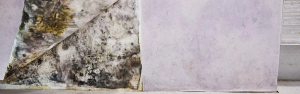
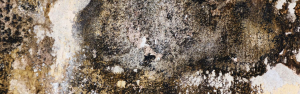
The Ultimate Florida Hurricane Cleanup Checklist for Miami Homeowners exists because post-storm recovery isn’t just about removing debris but also about mold prevention. It’s about protecting your home from further structural damage, electrical hazards, and mold growth. In humid environments like Miami, mold can start forming within 24 to 48 hours after water exposure.
According to the National Hurricane Center, hurricanes bring heavy rainfall, storm surges, and wind damage that create complex restoration needs. Without a structured cleanup approach, small problems can quickly escalate into expensive repairs.
That’s where FL Cleanup steps in — offering professional support tailored specifically for Florida homeowners facing hurricane aftermath.
Prioritize Safety Before Entering Your Property
Before you even think about cleanup, safety comes first. Don’t rush in.
Key Safety Measures:
- Turn off electricity at the main breaker
- Wear gloves, boots, and masks
- Watch for structural instability
- Avoid standing water with live wires
Floodwaters often carry contaminants, including bacteria and chemicals. You might not see the danger, but it’s there.
If your home suffered structural damage, consult professionals before re-entering. Cracked foundations or weakened walls can collapse unexpectedly.
Step 2: Document the Damage for Insurance Claims
Documentation protects your financial recovery.
How to Document Properly:
- Take clear photos of every room
- Record video walkthroughs
- List damaged items
- Save receipts for temporary repairs
Insurance companies require proof. The Ultimate Florida Hurricane Cleanup Checklist for Miami Homeowners emphasizes this step because proper documentation speeds up claims processing.
Step 3: Immediate Water Removal Strategies
Water removal is urgent. The longer water sits, the worse the damage becomes.
Tools for Water Removal:
- Submersible pumps
- Wet/dry vacuums
- Mop and bucket (for minor flooding)
- Professional extraction systems
Standing water damages flooring, drywall, and insulation quickly. In Miami’s climate, humidity accelerates deterioration.
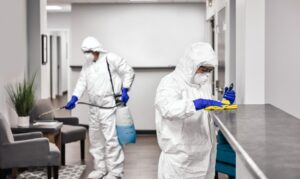
Professional services like FL Cleanup use industrial-grade extraction equipment to remove water thoroughly — including hidden moisture beneath floors.
Step 4: Drying and Dehumidification Process
Removing water isn’t enough. You must dry the property completely.
Drying Methods:
- High-powered air movers
- Commercial dehumidifiers
- Cross ventilation
- Moisture meters
Even small amounts of trapped moisture can lead to mold growth. This is why the Ultimate Florida Hurricane Cleanup Checklist for Miami Homeowners strongly recommends professional-grade drying equipment.
Step 5: Removing Damaged Materials Safely
Some materials cannot be saved.
Materials Often Removed:
- Soaked drywall
- Wet insulation
- Warped laminate flooring
- Saturated carpets
These materials hold moisture and bacteria. Removing them reduces contamination risk and speeds up restoration.
Step 6: Mold Prevention Techniques
Mold is one of the biggest threats after a hurricane.
Mold Prevention Steps:
- Apply antimicrobial treatments
- Use HEPA air filtration
- Monitor humidity levels (below 50%)
- Inspect hidden areas
In Florida, mold can spread fast. That’s why mold prevention is central to the Ultimate Florida Hurricane Cleanup Checklist for Miami Homeowners.
Step 7: Deep Cleaning and Sanitization
Floodwater is often classified as Category 3 (black water), meaning it contains harmful pathogens.
Cleaning Includes:
- Disinfecting surfaces
- Cleaning HVAC ducts
- Sanitizing furniture (if salvageable)
- Odor removal treatments
Professional cleaning restores safety and comfort.
Step 8: Electrical and HVAC System Inspection
Never assume systems are safe after flooding.
Licensed electricians should:
- Inspect wiring
- Replace damaged outlets
- Test circuit breakers
HVAC systems must be cleaned to prevent mold circulation.
Step 9: Roof and Exterior Repairs
Storms damage roofs, gutters, and siding.
Temporary tarping prevents further water intrusion until permanent repairs are made.
Step 10: Preventing Secondary Damage
Secondary damage often costs more than initial storm impact.
Preventive Actions:
- Regular moisture checks
- Inspect attic spaces
- Maintain dehumidifiers
- Seal cracks promptly
Professional Hurricane Cleanup Services in Miami
Sometimes DIY just won’t cut it.
Professional restoration companies:
- Provide 24/7 emergency response
- Use industrial drying systems
- Offer mold remediation
- Assist with insurance paperwork
FL Cleanup specializes in rapid response services tailored to Miami homeowners.
Long-Term Mold Prevention and Maintenance
Post-cleanup maintenance protects your investment.
Maintenance Tips:
- Install sump pumps
- Improve drainage systems
- Schedule annual roof inspections
- Maintain HVAC filters
Humidity control remains critical in South Florida’s climate.
Hurricane Cleanup Cost Breakdown
| Service | Estimated Cost Range |
|---|---|
| Water extraction | $1,000 – $5,000 |
| Drying & dehumidification | $800 – $3,500 |
| Mold remediation | $1,500 – $6,000 |
| Roof repair | $500 – $10,000 |
| Full restoration | $10,000+ |
Costs vary based on damage severity.
Frequently Asked Questions
How soon should cleanup begin after a hurricane?
Immediately. Water removal within 24 hours reduces mold risk significantly.
Can I stay in my home during cleanup?
It depends on damage severity. Severe flooding requires temporary relocation.
How long does full hurricane cleanup take?
Minor damage may take days. Major restoration may require weeks.
Does homeowners insurance cover mold?
Often yes, if caused by a covered peril like a hurricane.
What equipment is necessary for drying?
Industrial air movers and dehumidifiers are most effective.
Why hire professionals instead of DIY?
Professionals ensure thorough drying, mold prevention, and safety compliance.
Conclusion
Recovering after a hurricane is overwhelming. Still, with the Ultimate Florida Hurricane Cleanup Checklist for Miami Homeowners, you’re not alone.
From water removal to mold prevention, each step protects your property and health. Preparation, quick action, and professional support make all the difference.
Trust FL Cleanup to help restore your home, protect your homes and give you peace of mind after the storm.