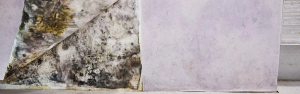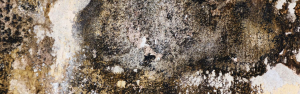

Water damage is one of the most stressful and costly problems a property owner can face — especially in Miami. With high humidity, frequent rainstorms, and the ongoing threat of hurricanes, water intrusion isn’t just an occasional nuisance; it’s a regular risk for homes and businesses. When flooding, leaks, or moisture damage occur, the first question many people ask is: Can I handle this myself, or do I need professional help?
In this comprehensive guide, we’ll explore the key differences between DIY water damage restoration and professional water damage restoration. You’ll learn when a DIY approach makes sense, when it doesn’t, and why calling FL Cleanup can save you time, money, and peace of mind.
Whether you’re dealing with a small backyard flood or a major hurricane-related disaster, this article will help you make the best choice for your Miami property.
Introduction
Water damage can be startlingly destructive. A small leak from an upstairs bathroom can lead to ruined drywall, warped flooring, and hidden mold growth. A major storm can flood an entire ground floor, leaving behind ruined furniture and compromised structural integrity.
In Miami, where storms and humidity are constants, water damage is not rare — it’s inevitable. But how you respond makes all the difference.
This article breaks down:
- The reality of handling water damage
- What DIY restoration can and cannot fix
- Why professional restoration is often the best choice
- How FL Cleanup approaches restoration in Miami
By the end, you’ll understand when it’s smart to roll up your sleeves — and when it’s smart to call in the experts.
Why Water Damage Is a Serious Concern in Miami
Miami’s climate and geography make it especially prone to water issues:
- High humidity accelerates moisture retention.
- Rainstorms and hurricanes bring intense, sudden precipitation.
- Coastal flooding and storm surge add extra risk.
- Aging infrastructure can worsen leaks and seepage.
These conditions create an environment where water damage doesn’t just affect one area — it can seep deep into floors, walls, HVAC systems, and even electrical components. Because of this, restoration isn’t just about drying visible water — it’s about preventing long-term problems like mold, structural rot, and musty smells that won’t go away.
What Is DIY Water Damage Restoration?
DIY water damage restoration refers to attempts by property owners to repair or remediate water-damaged areas without hiring professional services. This typically includes:
- Mopping and towel drying
- Using household fans or small dehumidifiers
- Removing damaged items manually
- Applying disinfectants from retail stores
The goal of DIY restoration is to manage the problem using inexpensive tools and personal effort. For very minor water issues, this can be effective — but as we’ll see, it has limitations.
Pros and Cons of DIY Water Damage Restoration
Pros
- Lower upfront cost: You won’t pay for professional service fees.
- Immediate response: You can start cleanup right away.
- Control over the process: You decide what to do and when.
Cons
- Incomplete drying: Household fans and small dehumidifiers may not adequately remove hidden moisture.
- Mold risk: Without proper drying and antifungal treatment, mold can grow within 24–48 hours.
- Spreading contamination: Tearing out moldy or contaminated materials without containment can spread spores and debris to other rooms.
- Missed hidden damage: Water often travels behind walls, under floors, and into insulation — areas a DIY approach won’t fully access or fix.
In short: DIY might feel like you’re saving money — but it often leaves problems unresolved.
What Is Professional Water Damage Restoration?
Professional water damage restoration refers to services provided by trained technicians with specialized tools and certifications. In Miami, this includes companies like FL Cleanup, who understand both the climate and the construction of local homes and businesses.
Professional restoration generally includes:
- Full moisture assessment
- Industrial-strength water extraction
- Controlled drying and dehumidification
- Antimicrobial treatment
- Structural repairs and reconstruction (if needed)
- Mold assessment and remediation by licensed professionals
Professionals approach water damage as both a visible and invisible problem — because water travels, and what you see isn’t always the full story.
Benefits of Professional Water Damage Restoration
Thorough Moisture Detection
Professionals use an infrared (thermal) camera, moisture meters, and hygrometers to locate hidden moisture behind walls, under floors, and inside ceilings. These tools reveal what the naked eye cannot. At FL Cleanup, every job starts with a free visual inspection with moisture readings and an infrared (thermal) camera.
Industrial-Grade Equipment
Consumer dryers and fans don’t compare to commercial-grade air movers and dehumidifiers. Professional equipment removes moisture faster, helping prevent mold and structural damage.
Faster Drying
Professional equipment usually dries a home much faster than typical DIY methods. In water damage recovery, time matters — because the longer moisture remains, the worse the damage becomes.
Mold Prevention
Mold grows quickly in warm, moist environments like Miami. Professional restoration includes preventative antifungal treatments to reduce mold risk — something DIY efforts rarely cover.
Training for Hazards
Professionals are trained to handle contaminated water, electrical hazards, and structural risks.
When DIY Is Appropriate
DIY water damage restoration can be appropriate for:
- Very small spills or leaks
- Minor carpet wetting
- Superficial surface water with immediate cleanup
- Small countertop mishaps
However, the moment water:
- Saturates drywall
- Penetrates flooring
- Affects structural components
- Leaves visible residue that won’t dry
- Has been present for longer than 24 hours
…it’s time to consider professional help.
When It’s Time to Call FL Cleanup
You should call FL Cleanup for water damage restoration when:
- Multiple rooms are affected
- Water has soaked into walls, flooring, or ceilings
- You smell mildew or see mold beginning to form
- Water damage is connected to plumbing or major leaks
- You’re unsure how deep the damage goes
- Insurance coverage is involved
- You want the drying measured, documented, and done right
Water damage restoration isn’t a DIY weekend project — especially in Miami’s climate. With high humidity and frequent rain, moisture can persist longer than you realize.
Key Water Damage Restoration Techniques Used by Professionals
Water Extraction
Industrial-grade pumps and extractors remove standing water efficiently.
Air Movement and Drying
High-capacity air movers dramatically increase evaporation rates — far more than household fans.
Dehumidification
Commercial dehumidifiers pull moisture from the air, reducing humidity and helping prevent mold growth.
Antimicrobial Application
Professionals apply EPA-registered antimicrobials to affected surfaces to help keep mold from taking hold while materials dry.
Structural Drying
Targeted drying reaches hidden cavities, crawl spaces, and wall voids, and moisture readings confirm when materials are back to normal.
Reconstruction
If water damage compromises structural elements, professionals can coordinate repairs or reconstruction.
The Cost Comparison: DIY vs Professional Restoration
DIY Restoration Costs
- Fans: $30–$100 each
- Small dehumidifier: $150–$300
- Cleaning supplies: $20–$50
DIY total: ~ $200–$500
Professional Restoration Costs
Professional restoration pricing varies based on severity, but includes:
- Full assessment
- Industrial extraction
- Certified equipment
- Moisture monitoring
- Antimicrobial treatments
Typical professional restoration: $1,000–$5,000+
At first glance, DIY is cheaper. But when leftover moisture leads to mold, reconstruction, or long-term damage, those costs rise fast. Professional restoration often prevents far more expensive future repairs.
Insurance and Water Damage Restoration
Most homeowner insurance policies cover sudden water damage — but often not gradual humidity-related damage. Using a professional like FL Cleanup helps:
- Provide documentation for claims
- Produce moisture readings and reports
- Give your adjuster a clear record of the damage and the drying
Insurance companies generally give more weight to professional documentation than to DIY photos alone — and that can help your claim go more smoothly.
Preventing Future Water Damage
Proactive measures help protect your property:
- Install proper drainage around the foundation
- Seal gaps and leaks promptly
- Maintain gutters and downspouts
- Invest in moisture barriers and vapor retarders
- Schedule regular inspections
Water damage is easier to prevent than to fix.
Real-Life Miami Water Damage Scenarios
Hurricane Flooding
Storm surge and heavy rain flood ground floors. Prompt extraction and drying are essential to prevent mold and structural decay.
AC Line Leaks
Condensation lines back up and leak into walls or ceilings. Professionals locate hidden moisture and dry cavities that DIY attempts miss.
Plumbing Failures
A burst pipe can flood multiple rooms. Professional restoration means thorough extraction and controlled, measured drying.
Each scenario highlights a critical truth: water damage often goes deeper than it appears.
FAQs About Water Damage Restoration
Can I dry wet walls with a household fan?
Not fully. Household fans circulate air but don’t remove moisture from inside the wall — and can spread contaminants before drying is complete.
How soon should water damage be addressed?
Within 24–48 hours. Mold can begin forming within this window.
Will my homeowner’s insurance cover water damage restoration?
It depends on the policy and the cause of the damage. Sudden events are usually covered; gradual humidity damage may not be.
Is professional restoration worth the cost?
For anything beyond a small surface spill, usually yes. Professionals find hidden damage and help reduce long-term repair costs.
What equipment do professionals use that I don’t have?
Industrial extraction units, high-capacity air movers, commercial dehumidifiers, moisture meters, and an infrared (thermal) camera.
Can water damage cause mold growth?
Yes — and mold can begin growing in as little as 24–48 hours if moisture remains.
Conclusion
When it comes to water damage restoration in Miami, the difference between DIY and professional service can make or break the condition and value of your property.
While DIY might work for minor spills, Miami’s unique climate and frequent storms quickly turn water issues into complex problems. Hidden moisture, mold risk, lingering musty smells, and structural damage are all reasons why professional restoration is often the smarter choice.
If your property faces water damage — whether from heavy rain, plumbing leaks, or flooding — FL Cleanup offers the training, equipment, and experience to restore your space thoroughly. We’re IICRC certified and hold Florida mold licenses (Assessor MRSA4035, Remediator MRSR4158), and we start with a free visual inspection with moisture readings and an infrared (thermal) camera.
Don’t gamble with your home or business. When water damage strikes, call in the professionals.
FL Cleanup is a family-owned, IICRC-certified restoration company serving South Florida since 2016. We answer 24/7; when you call, we’ll tell you honestly when a technician can be there based on that day’s schedule. Hablamos español.