
Construction is a big moment for any property—whether it’s a new build, a major renovation, or a commercial fit-out. Yet the job isn’t complete once the final nail is driven or the last coat of paint dries. Post-construction cleanup plays a crucial role in ensuring spaces are safe, attractive, and ready for use.
For Miami properties, one factor complicates this process more than almost anything else: humidity. Miami’s warm, humid climate affects everything from drying time and dust behavior to mold growth and air quality. Understanding how humidity impacts post-construction cleanup helps property owners and contractors plan smarter, execute better, and reduce costly setbacks.
In this article, we’ll explore:
- What humidity means for Miami buildings
- How it influences construction dust and debris
- Why mold and microbial growth are bigger threats
- Tips to optimize post-construction cleanup in humid conditions
- How professional services like FL Cleanup handle these challenges
Let’s dive in.
Understanding Miami’s Humidity and Climate
Miami is well known for its tropical monsoon climate. That means:
- High humidity year-round
- Warm temperatures even in winter
- Frequent rain and occasional heavy storms
Humidity is measured as a percentage—the amount of moisture in the air relative to the maximum it can hold at a given temperature. In Miami, humidity often stays above 70%, especially during summer months.
This moisture-laden air doesn’t just feel sticky. It changes the way dust settles, how surfaces cure, and how particles behave after construction. For post-construction cleanup crews, humidity isn’t a background fact—it’s a daily reality.
Humidity Affects Drying and Curing Times
After construction or renovation, many materials need time to dry or cure properly:
- Paint
- Plaster
- Concrete
- Sealants
- Adhesives
Humidity slows evaporation. Even if temperatures are high, saturated air doesn’t allow moisture to escape efficiently. The result?
- Longer drying times for paints and finishes
- Extended curing periods for floors and mortar
- Increased risk of tacky surfaces and smudges
- More time before cleanup can begin
When cleanup is rushed or started too early, crews often encounter sticky residues and smeared finishes that are harder to clean. In Miami, this means that post-construction teams must plan for extended drying windows—and coordinate with contractors to avoid premature cleanup.
Here’s why it matters: surfaces that haven’t fully dried attract dust and debris more easily, making even professional cleanup less effective. By understanding humidity impacts, property managers can schedule cleanup at the optimal time—reducing rework and ensuring better results.
Dust and Debris Behave Differently in Humid Environments
Construction dust is normally airborne until it settles on surfaces. However, in humid conditions:
- Dust particles clump together
- Fine particles stick to surfaces and walls
- Airborne particles stay suspended longer
This happens because moisture creates a microscopic “stickiness” in dust. Tiny particles that would normally fall quickly instead linger or adhere to surfaces unevenly.
For standard cleaning, vacuuming and sweeping might be enough. But post-construction cleanup requires deeper removal methods. In Miami humidity:
- Dry sweeping can make problems worse — it stirs up dust without capturing it.
- Standard vacuums may struggle with fine, moisture-laden particles.
- Air filtration becomes vital to reduce airborne dust.
This is where professional cleanup services use specialized equipment like HEPA-filtered vacuums, tack cloths, and controlled airflow systems to capture particles that would otherwise settle after cleanup, creating additional rounds of work.
Moisture Raises the Risk of Mold and Mildew
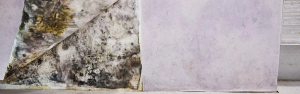
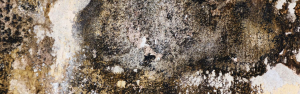
One of the biggest hidden risks in Miami post-construction cleanup is mold.
Mold and mildew flourish in environments that are:
- Warm
- Moist
- Dark
- Undisturbed
Post-construction areas often contain:
- Damp surfaces
- Cardboard boxes
- Porous materials
- Hidden gaps where moisture settles
If a space isn’t properly dried before cleanup—and if humidity stays elevated—mold spores can begin to grow within 24–48 hours.
Even trace amounts of mold can:
- Cause unpleasant odors
- Trigger allergic reactions
- Compromise indoor air quality
- Damage drywall, wood, and fabrics
That means post-construction cleanup in Miami isn’t just about removing visible dust and debris—it’s also about preventing microbial growth.
Professional teams implement moisture control strategies such as:
- Industrial dehumidifiers
- Rapid air exchange
- Controlled ventilation
- Moisture testing before and after cleaning
These steps ensure that a fresh, newly built space doesn’t become a mold problem waiting to happen.
Air Quality Matters More in High humidity
When construction is completed, particles are left floating in the air:
- Drywall dust
- Sawdust
- Fiberglass
- Concrete residue
- Chemical fumes from paints and adhesives
In humid climates like Miami, these particles can:
- Stay suspended longer
- Attach to humid air droplets
- Spread further into HVAC systems
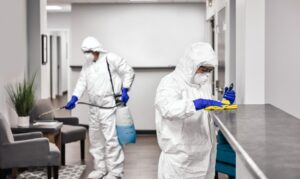
Poor air quality affects inhabitants and workers alike. That’s why professional post-construction cleanup teams go beyond surface cleaning to improve indoor air quality (IAQ). Methods include:
- High-efficiency particulate air (HEPA) filtration
- Air scrubbers and negative air machines
- Duct and vent cleaning
These tools help extract microscopic contaminants that ordinary cleaning can’t reach—especially in humid conditions where particles cling to moist surfaces.
Challenges with Flooring and Surfaces
Humidity doesn’t treat every surface the same. Different flooring and finishes respond differently:
Hardwood and Engineered Wood
Moisture absorption can lead to:
- Warping
- Buckling
- Gaps
- Splits
Tile and Grout
Excess surface moisture:
- Traps dust in grout lines
- Makes grout cleaning more difficult
Carpet and Rugs
Humidity causes:
- Deeper dust penetration
- Odor retention
- Slow drying after spot cleaning
Glass and Windows
High humidity leads to:
- Water spots
- Streaking
- Condensation
Professional cleanup crews understand these challenges and use the right tools for each surface—adjusting techniques depending on moisture level and humidity conditions.
For example:
- Microfiber pads for glass
- Low moisture cleaning for hardwood
- Hot water extraction for carpets
These aren’t optional techniques—they’re necessities in humid environments like Miami.
Timing and Scheduling for Miami Projects
Because humidity impacts drying time and particle behavior, timing becomes a strategic decision in Miami post-construction cleanup.
Mistakes some property owners make:
- Starting cleanup too soon
- Scheduling cleanup during rainy season
- Ignoring moisture meters
- Rushing transition from construction to occupancy
A professional cleanup team will:
- Inspect moisture levels before cleanup
- Coordinate with contractors on curing times
- Use climate control tools to accelerate drying
- Adjust scheduling based on weather forecasts
By syncing cleanup planning with humidity-aware strategies, projects stay on track and deliver higher quality results.
Why Professional Cleanup Makes a Difference
Post-construction cleanup isn’t just about aesthetics. It’s about safety, health, and long-term integrity of your space.
In humid environments like Miami, DIY cleanup often falls short because:
Ordinary vacuums can’t capture fine, moist particles
Sweeping stirs up dust instead of removing it
Surface cleaning doesn’t address hidden humidity-related risks
Mold prevention and air quality control are overlooked
Professional services bring:
Industrial-grade equipment
Moisture control and dehumidification
Air quality techniques
Experience handling humidity challenges
By investing in professional cleanup, property owners protect:
- Occupant health
- HVAC systems
- Flooring and finishes
- Indoor air quality
- Long-term building performance
These aren’t minor perks—they’re essential outcomes in a humid climate.
How FL Cleanup Handles Humidity in Post-Construction Cleanup
At FL Cleanup, we understand Miami’s climate like no other. Our post-construction cleanup process is designed to address humidity impacts at every stage.
Here’s how we approach it:
Moisture Assessment
Before cleanup begins, we measure humidity and surface moisture. This helps us plan the right timing and tools.
Targeted Dust Control
We use HEPA vacuums, tack cloths, air scrubbing, and negative air pressure to capture particles that other services miss—especially important when humidity makes dust cling.
Surface-Appropriate Techniques
Every surface gets the right treatment—whether it’s tile, hardwood, glass, metal, or carpet—ensuring thorough cleaning without damage.
Air Quality Management
We don’t just remove visible debris—we improve indoor air quality with advanced filtration and circulation technology.
Mold Prevention Measures
In humid conditions, this is non-negotiable. We dry, ventilate, and disinfect to reduce mold risk before you move in.
Final Inspection
We verify results with moisture testing and visual inspection, ensuring cleanup meets high standards.
Conclusion
Humidity isn’t just background weather in Miami—it’s a powerful force that affects every phase of post-construction cleanup. From drying time and dust behavior to air quality and mold prevention, moisture changes the game.
Understanding these impacts helps property owners make smarter decisions about:
- Scheduling cleanup
- Choosing professional partners
- Protecting building materials
- Ensuring occupant health
Professional post-construction cleanup isn’t optional in humid climates—it’s essential. And with the right approach, properties are cleaner, safer, and ready for occupancy without unnecessary delays or risks.
If you’re preparing a Miami property for move-in or reopening after construction, don’t overlook the role humidity plays. Partner with a cleanup team that knows the climate and knows how to deliver results—like FL Cleanup.