After a leak or burst pipe, one of the first things families ask is whether they have to move out while the house dries. In most of the water jobs we do, people stay home. But living with drying equipment for several days isn’t always comfortable, and there are times when staying somewhere else makes more sense. Here’s what to expect.
The Short Answer
If the water was clean, the damage is limited to a few rooms, and you still have a working kitchen, bathroom and power, you can usually stay. If the water was dirty, the damage is widespread, there’s mold containment, or someone in the home has breathing problems, staying elsewhere is often the better choice.
What Living With Drying Equipment Is Like
- It’s loud. Air movers and dehumidifiers run day and night. Bedrooms near the equipment can be hard to sleep in.
- It gets warm. Dehumidifiers put out heat, and warm, dry air helps drying. The room may feel warmer than you’re used to.
- It runs 24/7. Turning equipment off at night slows drying and can let moisture settle back in.
- It uses power. Expect a bump in your electric bill. Ask your insurer whether that is something they reimburse.
- Cords and hoses everywhere. Keep kids and pets away from cords and from the equipment.
- Some baseboards or flooring may be removed so air can reach the wet areas.
Most clean-water drying takes about three to five days, though it depends on the materials and how long they were wet. More on how long water damage takes to dry.
When It’s Better to Stay Somewhere Else
- The water came from a dirty source, like a drain backup or outside flood water
- A ceiling is sagging or has come down
- Water reached outlets, the electrical panel or appliances, and power is off
- You’ve lost your only kitchen or bathroom
- Most of the home is affected and equipment is running in every room
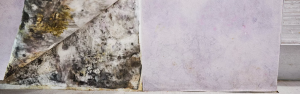
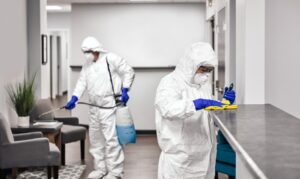
- Mold removal requires sealed containment in living areas
- Someone in the home is elderly, pregnant, very young, or has asthma, allergies or a weakened immune system. Ask your doctor if you’re unsure.
If you have to move out for a while, many homeowners policies include additional living expenses when the home can’t be lived in because of a covered loss. Your insurer decides what applies, so ask your adjuster before you book anything.
How to Help Your Home Dry Faster
- Leave the equipment running and where the crew placed it
- Keep doors and windows closed in drying rooms, and keep the AC running
- Don’t put furniture or boxes back against wet walls
- Empty dehumidifiers only if the crew asks you to (most of ours drain on their own)
- Let the crew in for daily moisture readings. That’s how we know when it’s actually dry.
- Call us if a breaker trips or a machine stops
Condos and Apartments
In buildings, water from a burst pipe or a riser can affect several units at once, and each one needs its own drying plan. We coordinate access through management and try to work around residents’ schedules. See riser leaks in condo buildings and burst pipe and commercial water damage in Miami-Dade.
If you manage or own units in a building, see who to call when a pipe bursts in an apartment building and what to do when water leaks into the unit below.
What Happens if You Skip Drying
Sometimes people want to skip the equipment because it’s inconvenient. In South Florida humidity, wet drywall and flooring don’t dry well on their own, and mold can start in 24 to 48 hours. A few days of noise is a lot easier than tearing out walls later. Here’s how fast mold grows after water damage.
Still smelling something after the leak was fixed? Read why your house smells after a water leak is fixed. If mold has started, see our mold removal service in Miami. Once the source is fixed and everything is dry, any odor that lingers can be handled with our whole-home odor removal. For active leaks, start with our water damage restoration in Miami.
We answer 24/7; when you call, we’ll tell you honestly when a crew can be there based on that day’s schedule. Hablamos español.
About the author: James Rice-Peña founded FL Cleanup, a family-owned South Florida restoration company serving homeowners and buildings since 2016. He has worked in restoration since 2012, has completed more than 5,000 water jobs, is a Florida-licensed Mold Assessor (MRSA4035) and Mold Remediator (MRSR4158), and is IICRC certified. FL Cleanup has 200+ five-star Google reviews.