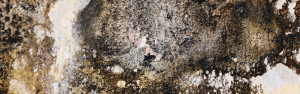
If you get headaches at home that ease up when you leave, it’s natural to wonder whether mold is to blame. Here’s what’s known, what isn’t, and what you can actually do about it.
We’re mold remediation professionals, not doctors. This article is general information, not medical advice. If you have ongoing headaches or other symptoms, see your doctor.
What Health Agencies Say
The CDC and EPA say that damp, moldy indoor environments are linked with symptoms like a stuffy nose, sneezing, coughing, wheezing, throat irritation and eye irritation, and can worsen asthma. People with allergies, asthma or weakened immune systems tend to be more affected. Headaches are commonly reported by people living in damp, moldy homes, often alongside congestion and sinus irritation, but the science on mold directly causing headaches is less clear than it is for breathing and allergy symptoms.
In other words: mold can be part of the picture, but headaches have many possible causes. That’s why talking to a doctor matters.
Clues That Point to a Home Moisture Problem
- Symptoms are worse at home and get better when you’re away for a while
- More than one person in the home has similar symptoms
- A musty or earthy smell anywhere in the house
- Visible mold, water stains, peeling paint or soft drywall
- A past leak, flood or storm damage
- Symptoms that get worse when the AC turns on (see why your house smells when the AC turns on)
Other Things to Rule Out
If you get headaches at home, also consider other common indoor causes your doctor may ask about, like poor ventilation, strong fragrances or cleaning products, fresh paint or new furniture smells, and fuel-burning appliances. Every home with gas appliances or an attached garage should have working carbon monoxide detectors. If a CO alarm sounds, get everyone out and call 911.
What to Do
- See your doctor about the symptoms.
- Look for moisture and mold in the usual spots: bathrooms, under sinks, the AC closet, windows, closets and ceilings. Our guide on finding hidden mold walks you through it.
- Lower indoor humidity below about 60% and keep the AC running.
- Get an inspection if you smell mustiness but can’t find the source. Testing can also give your doctor more information; see mold inspection vs. mold testing.
For more, read the health risks of mold in Miami homes.
Free Visual Inspection in South Florida
FL Cleanup offers a free visual inspection with moisture readings and an infrared (thermal) camera across South Florida to find hidden moisture and mold. If mold is confirmed, we handle licensed mold remediation. We answer 24/7, and hablamos español. Call 877-224-2532 or request a free visual inspection online.
About the author: James Rice-Peña is the owner of FL Cleanup and a Florida-licensed Mold Assessor (MRSA4035) and Mold Remediator (MRSR4158). He has worked in property restoration in South Florida since 2012, and FL Cleanup has earned 200+ five-star Google reviews.