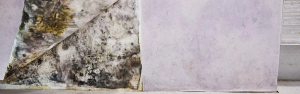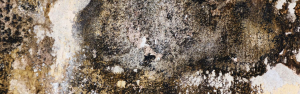

Mold is one of the most overlooked yet dangerous threats inside Miami homes. Because it often grows silently behind walls, under flooring, or inside air systems, many residents don’t realize there’s a problem until health symptoms appear. In a warm, humid climate like Miami’s, mold growth isn’t just common—it’s a serious health concern.
This article explores the hidden health risks of mold in Miami homes, how it affects people of all ages, where it hides, and why professional mold cleanup is critical for long-term safety and peace of mind.
Why Mold Is So Common in Miami Homes
Miami’s environment creates the perfect conditions for mold to thrive.
High Humidity Levels
Mold grows best in moisture-rich environments. Miami’s humidity often stays above safe indoor levels, especially during summer months.
Frequent Rain and Flooding
Storms, heavy rain, and hurricane season can introduce moisture into walls, roofs, and foundations.
Poor Ventilation in Modern Homes
Tightly sealed homes trap moisture, allowing mold spores to spread unnoticed.
These factors make mold a persistent issue for homeowners across Miami.
What Is Mold and How Does It Spread?
Mold is a type of fungus that reproduces through microscopic spores that float through the air.
Common Indoor Mold Sources
- Water leaks
- Flood damage
- High indoor humidity
- Condensation around windows
- HVAC systems
Once mold spores land on a damp surface, they can begin growing within 24 to 48 hours.
The Hidden Health Risks of Mold Exposure
Mold doesn’t just damage property—it can significantly affect physical health.
Respiratory Problems
Breathing in mold spores can irritate the lungs and airways, leading to:
- Chronic coughing
- Wheezing
- Shortness of breath
- Chest tightness
People with asthma are especially vulnerable.
Allergic Reactions
Many individuals experience allergic symptoms such as:
- Sneezing
- Runny or congested nose
- Itchy eyes
- Skin rashes
These reactions can worsen with continued exposure.
Mold’s Impact on Children and the Elderly
Certain groups are at higher risk.
Children
Children’s developing immune systems make them more sensitive to mold exposure, which may lead to:
- Increased asthma risk
- Frequent respiratory infections
- Persistent allergies
Older Adults
Seniors often have weaker immune systems, making mold-related illnesses more severe and harder to recover from.
Mold and Long-Term Health Concerns
Prolonged mold exposure can contribute to serious health issues.
Chronic Fatigue and Headaches
Toxic mold exposure has been linked to ongoing fatigue, headaches, and difficulty concentrating.
Weakened Immune System
Continuous exposure can suppress immune response, making the body more susceptible to illness.
Increased Infection Risk
Individuals with compromised immune systems may face higher risks of fungal infections.
Hidden Places Mold Grows Inside Miami Homes
Mold often grows out of sight, making it difficult to detect early.
Behind Walls and Ceilings
Leaks inside walls allow mold to spread without visible signs.
Under Flooring
Carpet, wood, and laminate flooring can trap moisture and support mold growth.
Inside HVAC Systems
Air conditioning systems can distribute mold spores throughout the home.
Bathrooms and Kitchens
High moisture levels make these rooms prime mold breeding grounds.
How Mold Affects Indoor Air Quality
Mold spores circulate through indoor air, lowering air quality and increasing health risks.
Airborne Contaminants
Once airborne, spores can be inhaled repeatedly, intensifying symptoms over time.
Persistent Odors
Musty smells often indicate hidden mold colonies affecting air quality.
Poor indoor air quality can impact sleep, productivity, and overall well-being.
Warning Signs of Mold in Your Home
Knowing the signs helps catch mold early.
Physical Signs
- Musty or earthy odors
- Visible discoloration on walls or ceilings
- Peeling paint or warped surfaces
Health-Related Signs
- Worsening allergies indoors
- Unexplained respiratory issues
- Symptoms that improve when leaving the home
Ignoring these signs can allow mold to spread further.
Why DIY Mold Cleanup Is Risky
Many homeowners attempt to clean mold themselves, often making the problem worse.
Incomplete Removal
Surface cleaning doesn’t eliminate hidden mold or airborne spores.
Spreading Mold Spores
Improper cleaning methods can release spores into the air, increasing exposure.
Health Hazards
Without protective equipment, DIY cleanup exposes residents to harmful contaminants.
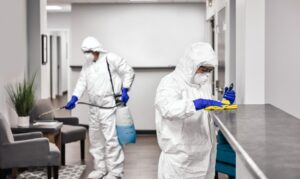
Professional remediation ensures mold is removed safely and completely.
The Importance of Professional Mold Remediation
Professional services address mold at its source.
Thorough Inspection and Testing
Professionals identify the full extent of mold growth, including hidden areas.
Containment and Safe Removal
Specialized containment prevents spores from spreading during cleanup.
Moisture Control
Addressing moisture sources prevents mold from returning.
How FL Cleanup Protects Miami Homes from Mold
FL Cleanup takes a comprehensive approach to mold remediation.
Advanced Equipment and Techniques
HEPA filtration, air scrubbers, and professional-grade treatments ensure safe results.
Health-Focused Solutions
Every step prioritizes occupant safety and indoor air quality.
Long-Term Prevention
FL Cleanup helps homeowners understand moisture control and prevention strategies.
Preventing Mold Growth in Miami Homes
Prevention is key in Miami’s climate.
Control Humidity Levels
Use dehumidifiers and ensure proper ventilation.
Fix Leaks Immediately
Even small leaks can lead to mold growth.
Maintain HVAC Systems
Regular maintenance reduces moisture buildup and mold spread.
Schedule Regular Inspections
Early detection prevents serious health risks and costly repairs.
Frequently Asked Questions (FAQs)
Is mold always visible?
No. Mold often grows behind walls, under floors, or inside air systems.
Can mold cause long-term health problems?
Yes. Prolonged exposure can lead to chronic respiratory and immune issues.
Is bleach effective against mold?
Bleach may remove surface stains but does not eliminate mold at its source.
How quickly can mold grow in Miami?
Mold can begin growing within 24 to 48 hours of moisture exposure.
Should I leave my home during mold cleanup?
In many cases, temporary relocation is recommended for safety.
How can I tell if mold is affecting my health?
Symptoms that worsen indoors and improve outdoors are a common indicator.
Conclusion
The hidden health risks of mold in Miami homes are far more serious than many residents realize. From respiratory problems to long-term immune issues, mold exposure can quietly affect your family’s well-being. Because Miami’s climate makes mold growth almost unavoidable, awareness and professional intervention are essential.
With expert inspection, safe remediation, and prevention-focused solutions, FL Cleanup helps Miami homeowners protect both their property and their health. Addressing mold early isn’t just about cleaning—it’s about creating a safer, healthier home for everyone inside.