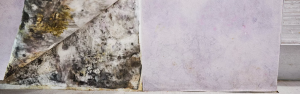
Most South Florida condo towers, hotels, offices and newer apartment buildings have wet-pipe fire sprinkler systems: pipes full of water under pressure, ready to release it the moment a head opens. That’s exactly what you want in a fire. But when a head gets knocked off by a ladder or furniture, a fitting fails, or a corroded line breaks, the same system can put a lot of water into a hallway, an office or several units in minutes.
This is general information, not fire-safety, legal or insurance advice. Your fire sprinkler contractor, local fire department and insurers have the final say.
What to Do First
- Get people clear of the water, wet electrical equipment and any ceiling that’s sagging.
- Let the right people handle the system. Building engineers or staff trained on your system, or your fire sprinkler contractor, should isolate the affected zone. Don’t shut down fire protection on your own. Your alarm monitoring company will likely already know water is flowing; call them so they know it isn’t a fire.
- Ask about a fire watch. While part of the system is out of service, your sprinkler contractor and local fire department can tell you whether a fire watch is required.
- Check below and beside. Sprinkler water spreads through ceilings and walls to floors below. Check every space under and next to the break.
- Document the broken head or pipe and every wet area with photos and video before cleanup starts. Keep the broken part if you can; your insurer may want it.
- Call your restoration company and your insurance agent.
Why Sprinkler Water Needs Extra Care
Water that sits in sprinkler pipes for years isn’t like fresh tap water. It’s often dark, rusty and smelly, and it can carry sediment from inside the pipes. That means porous materials it soaks, like carpet, pad, ceiling tiles and some drywall, are often removed rather than just dried, and surfaces get cleaned before drying. We’ll show you what can be dried in place and what can’t, and why.
How Drying Works After a Sprinkler Discharge
- Map the water: moisture meters and an infrared (thermal) camera in every affected space, including floors below.
- Extract and remove: standing water out, and soaked materials that can’t be saved removed and bagged.
- Clean and dry: surfaces cleaned, then commercial air movers and dehumidifiers with daily readings until each area is dry.
- Keep the building running: phased or after-hours work where possible, so tenants, guests or residents can keep using the rest of the building.
- Records for every party: photos, moisture logs and reports organized by space or unit for owners, management and each insurer.
In South Florida humidity, wet materials can start growing mold within 24 to 48 hours, so drying should start as soon as the system is safe. If mold has already started, we’re Florida-licensed mold remediators (MRSR4158).
Insurance and Who Pays
A sudden sprinkler discharge is usually handled as a sudden water loss, but coverage depends on the policy, the cause (an accident, a tenant’s damage, a defective part or long-term corrosion) and, in condos, where the pipe sits. Report it promptly and keep the documentation. Insurers make the final decisions. See how restoration works with insurance on a large commercial loss.
Prevent the Next One
- Keep your sprinkler system on its required inspection and maintenance schedule with a licensed contractor.
- Remind tenants, residents and vendors not to hang anything from sprinkler heads or pipes, and to be careful with ladders and moving furniture near them.
- Make sure staff know where the zone valves are and who’s allowed to operate them.
- Put it all in an Emergency Response Plan. We’ll help you build one for free.
See how we handle burst pipe and building water damage in Miami-Dade, riser leaks in condo buildings, and commercial restoration across South Florida. We answer 24/7; when you call, we’ll tell you honestly when a crew can be there based on that day’s schedule. Hablamos español.
For other kinds of pipe failures, read what to do in the first 24 hours after a burst pipe in an office or store and who to call when a pipe bursts in an apartment building.
About the author: James Rice-Peña founded FL Cleanup, a family-owned South Florida restoration company serving homeowners and buildings since 2016. He has worked in restoration since 2012, is a Florida-licensed Mold Assessor (MRSA4035) and Mold Remediator (MRSR4158), IICRC certified, and FL Cleanup has 200+ five-star Google reviews and $1M in general liability coverage.