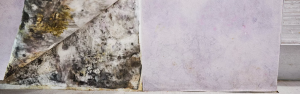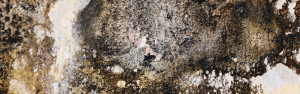
The EPA recommends keeping indoor humidity between 30% and 50%, and ideally below 60%, to help prevent mold. In a South Florida home, that’s harder than it sounds. Outdoor humidity sits high most of the year, and your AC is the main thing standing between that air and your walls. I’ve worked restoration here since 2012, and high indoor humidity is behind a lot of the “mold everywhere” calls we get.
How to Measure It
Buy an inexpensive digital hygrometer (a humidity meter) and put it in a central room, away from the kitchen and bathrooms. Check it at different times of day. Many smart thermostats also show indoor humidity.
- Under 50%: you’re in good shape.
- 50% to 60%: keep an eye on it, especially in closets and bedrooms.
- Over 60% for days at a time: mold and musty smells are likely to start.
Signs Your Home Is Too Humid
- A musty smell, especially in closets or when the AC kicks on
- Mold or mildew on shoes, leather, belts and clothes in closets. See mold in the closet on clothes
- Condensation on windows, vents or the air handler
- Sticky, clammy air even when it feels cool
- Black spots around AC vents
Why Florida Homes Get Too Humid
- The AC is oversized. It cools the house fast and shuts off before it removes enough moisture.
- The thermostat fan is set to “On” instead of “Auto.” Moisture on the coil gets blown back into the house.
- The AC is set too high or turned off while you travel or between seasons.
- Leaky ductwork in the attic pulls in hot, wet air.
- No bathroom or kitchen exhaust, or fans that vent into the attic.
- A hidden leak adding moisture to one part of the house. See slab leak signs in Florida.
How to Bring It Down
- Run the AC, keep windows closed, and set the fan to “Auto.”
- Don’t turn the AC off when you travel. Set it to a reasonable temperature instead. Many people use around 78°F to 80°F while away; your AC tech can help you choose.
- Have your AC serviced: clean coil, clean drain line, correct refrigerant charge.
- Run bathroom fans during and 20 to 30 minutes after showers. See why run the bathroom exhaust fan.
- Use a dehumidifier in problem rooms, or ask your AC contractor about a whole-home dehumidifier.
- Leave closet doors cracked open and don’t pack closets tight.
Avoid running a humidifier in a Florida home unless a doctor recommends it. More in do humidifiers cause mold?
When It’s Not Just Humidity
If the humidity is under control but one room still smells musty or keeps growing mold, look for a water source in that room: an AC drain, a shower, a window or a plumbing line. We check with moisture readings and an infrared (thermal) camera to find wet areas you can’t see.
Humidity is also the main reason mold comes back after remediation. If you rent or own a rental, see what tenants and landlords should do about mold in a Florida rental.
If you already have mold, see our mold removal service in Miami or mold remediation in Broward County. If the main issue is a smell, start with our guide to musty smells in Florida homes.
We answer 24/7; when you call, we’ll tell you honestly when a crew can be there based on that day’s schedule. Hablamos español.
About the author: James Rice-Peña founded FL Cleanup, a family-owned South Florida restoration company serving homeowners and buildings since 2016. He has worked in restoration since 2012, has completed more than 5,000 water jobs, has served as a mold expert in attorney cases, is a Florida-licensed Mold Assessor (MRSA4035) and Mold Remediator (MRSR4158), and is IICRC certified. FL Cleanup has 200+ five-star Google reviews.