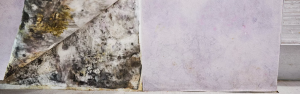
Most Florida homes are built on concrete slabs, with water lines running under or through the concrete. When one of those pipes leaks, the water has nowhere to go but up into your flooring and walls, or down into the soil. Slab leaks are easy to miss and expensive to ignore. Here’s how to spot one.
Common Signs of a Slab Leak
- A warm spot on the floor, often from a leaking hot water line.
- The sound of running water when everything in the house is turned off.
- A water bill that jumps without any change in how you use water.
- Damp, swollen, or stained baseboards, or wet carpet with no obvious source.
- Loose or cracked tile, or wood and laminate flooring that’s cupping or buckling.
- A musty smell near the floor in one area of the house.
- Low water pressure or a water heater that seems to run constantly.
A Simple Meter Test
Turn off every faucet, appliance, and irrigation zone. Find your water meter and watch the leak indicator, or write down the reading and check it again after an hour or two without using any water. If it moved, water is going somewhere it shouldn’t. A licensed plumber can confirm whether it’s under the slab.
Why Florida Homes Get Slab Leaks
Many South Florida homes were built in the 1970s through the 1990s, and their original copper or galvanized pipes are reaching the end of their life. Corrosion, shifting soil, and high water pressure all add stress. Homes in places like Royal Palm Beach, Kendall, Pembroke Pines, and Coral Springs see a lot of them.
What to Do If You Suspect a Slab Leak
- Shut off the main water valve if you see active water or the meter is spinning.
- Take photos of the floors, baseboards, and your water bill.
- Call a licensed plumber to locate and repair the leak.
- Call a restoration company to map and dry the moisture in the slab, flooring, and walls.
- Call your insurance company. Coverage for slab leaks varies. Some policies cover the water damage or the cost to access the pipe but not the pipe repair itself. Ask your agent.
Fixing the Pipe Is Only Half the Job
Concrete holds water for a long time. If the slab, flooring, and baseboards aren’t properly dried after the repair, you can end up with mold and failing floors months later. FL Cleanup starts with a free visual inspection with moisture readings and an infrared (thermal) camera to find how far the water spread, dries the slab and walls with commercial equipment, and documents every reading for your insurance.
Learn more about how long water damage takes to dry, or find your city on our service area page.
Call FL Cleanup 24/7 at 877-224-2532. Rated 5 stars on Google by 200+ customers. Licensed, insured, and IICRC certified. Hablamos español.