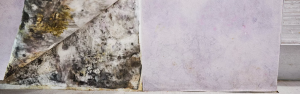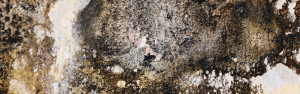
Older condo buildings in South Florida leak more often because the original pipes, windows, roofs and AC drain lines are reaching the end of their life at the same time. When one fails, the water usually reaches more than one unit. The fix is to stop the source, check every unit on that line with moisture readings, and keep records unit by unit. FL Cleanup offers a free infrared inspection. Call 877-224-2532.
I’ve worked more than 5,000 water jobs in South Florida since 2012, and a big share of the building calls come from towers and mid-rises built in the 1960s, 70s and 80s: Brickell, Downtown, Miami Beach, North Miami Beach, Aventura, Hallandale, Fort Lauderdale and the older buildings along the coast in Palm Beach County. The buildings are solid, but many still have original plumbing and original openings.
Where Leaks Start in Older Buildings
- Supply risers and drain stacks. Vertical lines that run unit over unit. When one fails, water follows the pipe chase down several floors. See riser leaks in condo buildings.
- Old supply piping inside units. Galvanized steel and older copper can develop pinhole leaks that drip inside a wall for weeks before anyone sees a stain.
- Windows and sliding doors. Dried-out sealants, clogged weep holes and worn tracks let wind-driven rain into walls and floors. See window and sliding door leaks in older condo towers.
- AC closets and drain lines. Every unit has one, and a clogged drain or rusted pan can soak the unit below. See AC condensate leaks in condos and commercial buildings.
- Roofs and roof drains. Top-floor units and the floors right below them take the hit after heavy rain.
- Water heaters and appliance lines. An older water heater in a unit closet can let go all at once.
- Fire sprinkler lines. A sprinkler pipe failure moves a lot of water fast. See fire sprinkler pipe bursts.
Signs It’s a Building Problem, Not Just One Unit
- Stains in the same spot in several units stacked on top of each other
- A ceiling stain with no leak in the unit directly above
- Repeat leaks on the same line every few months
- Musty smells or bubbling paint on shared walls in more than one unit
- Leaks that show up after every heavy rain, not just when someone uses water
What Boards and Managers Should Do First
- Stop the source. Have the building engineer or a plumber isolate the line or shut off the unit’s water.
- Check every unit on that line. Above and below the reports, not just the units that called. Water often reaches units whose owners are away.
- Notify owners and residents in writing and keep a log of who reported what and when.
- Call your restoration company and your association’s insurance agent. The sooner drying starts, the less drywall, flooring and cabinetry has to come out.
- Document unit by unit. Photos, moisture readings and the plumber’s notes on the cause, kept separately for each unit.
Why Unit-by-Unit Records Matter
One failed pipe can mean several separate claims: the association’s master policy and each owner’s own policy. Who pays depends on where the water started and what your declaration says. Clear records of the source and of each affected unit make those conversations much shorter. More in condo leak from upstairs: who pays? and a condo board’s guide to water damage. This is general information, not legal or insurance advice; your condo documents, association counsel and insurers have the final say.
Repairs and Inspections Bring Their Own Water Risk
Older buildings are going through milestone inspections, concrete restoration, window replacements and repiping. Open walls, temporary window openings and balcony work can let water in during a storm. If your engineer’s report turned up water intrusion or mold, see milestone inspection found water damage or mold: next steps. Contractors working inside occupied units can also use our jobsite protection and dust containment.
Get Ahead of the Next One
Know where every riser shutoff is, who can approve emergency work after hours, and which restoration company to call. That’s what an Emergency Response Plan is for, and we’ll help you build one for free. If you’re comparing companies, read how to choose a water damage company for your condo association.
How FL Cleanup Helps
We map moisture in every affected unit with moisture meters and an infrared (thermal) camera, extract water, dry with equipment we own, and take daily readings until each area is dry. If mold has started, we handle it under our Florida mold remediator license (MRSR4158). When the drying is done, we can rebuild what was removed. See our work for Miami condo buildings and property managers.
FAQ
Why does our building keep leaking on the same line?
Repeat leaks on one line usually mean the pipe itself is worn, not just one fitting. A plumber can tell you whether that section needs to be replaced. We dry the units in the meantime so the walls don’t turn into a mold problem.
Can you dry several units at the same time?
Yes. We coordinate access through management and keep separate readings and photos for each unit.
How soon can you get here?
We answer 24/7. When you call, we’ll tell you honestly when a crew can be there based on that day’s schedule. Hablamos español.
About the author: James Rice-Peña founded FL Cleanup, a family-owned South Florida restoration company serving homeowners and buildings since 2016. He has worked in restoration since 2012, has completed more than 5,000 water jobs, has served as a mold expert in attorney cases, is a Florida-licensed Mold Assessor (MRSA4035) and Mold Remediator (MRSR4158), and is IICRC certified. FL Cleanup has 200+ five-star Google reviews.