
Water damage in Miami isn’t just an inconvenience — it’s a structural and environmental emergency. With year-round humidity, tropical storms, and hurricane threats, moisture problems escalate quickly. That’s exactly why Miami properties need industrial-grade dehumidifiers and air movers in the water damage drying phase. Without professional drying equipment, hidden moisture lingers, mold develops, and structural integrity weakens.
At FL Cleanup, we’ve seen firsthand how improper drying leads to recurring damage and costly repairs. Let’s explore why industrial-grade dehumidifiers and air movers are essential during water damage restoration in Miami.
Understanding Miami’s Unique Moisture Challenges
Miami’s climate creates the perfect storm for water damage complications. High humidity levels — often above 70% — make natural evaporation slow and unreliable. Add in hurricane season, coastal flooding, plumbing failures, and heavy rainfall, and properties face constant moisture exposure.
In dry climates, water may evaporate naturally within days. In Miami, however, moisture can stay trapped inside walls, flooring, insulation, and structural beams for weeks without professional intervention.
This is why Miami properties need industrial-grade dehumidifiers and air movers in the water damage drying phase — standard fans simply don’t get the job done.
The Science Behind the Water Damage Drying Phase
Water damage restoration isn’t just about removing visible water. It involves a calculated drying process based on:
- Psychrometrics (the science of air and moisture)
- Humidity control
- Airflow management
- Surface evaporation rates
When water infiltrates a structure, it penetrates porous materials like drywall, wood, and carpeting. If moisture isn’t extracted properly, it creates long-term problems.
Industrial-grade dehumidifiers and air movers work together to create an optimal drying environment by:
- Increasing airflow across wet surfaces
- Reducing humidity levels in the air
- Accelerating evaporation
- Preventing condensation
Without these tools, drying remains incomplete.
Preventing Mold Growth in Humid Conditions
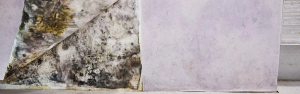
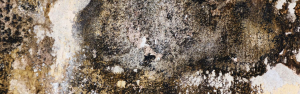
In Miami, mold can begin developing within 24–48 hours after water exposure. High humidity accelerates this process dramatically.
Industrial-grade dehumidifiers remove excess moisture from the air, bringing relative humidity down to proper drying levels. Air movers circulate air efficiently, preventing stagnant pockets where mold thrives.
Failing to use professional equipment can result in:
- Mold contamination
- Lingering musty smells
- Expensive remediation
- Insurance complications
This is one of the primary reasons why Miami properties need industrial-grade dehumidifiers and air movers in the water damage drying phase.
Accelerating Structural Drying
Water seeps into:
- Wall cavities
- Subflooring
- Ceiling insulation
- Wooden beams
- Concrete slabs
Industrial air movers create high-velocity airflow that forces evaporation from deep within materials. Meanwhile, dehumidifiers extract moisture from the air to prevent reabsorption.
Without proper drying, materials may:
- Warp
- Crack
- Swell
- Lose structural integrity
Professional drying reduces restoration time and protects the building’s core structure.
Reducing Long-Term Repair Costs
Incomplete drying leads to secondary damage. What starts as minor water intrusion can become:
- Structural rot
- Mold remediation expenses
- Flooring replacement
- Electrical hazards
Using industrial-grade equipment early prevents escalation.
Property owners often underestimate how quickly costs rise when moisture lingers. Investing in proper drying technology upfront saves thousands later.
Keeping Musty Smells and Dampness Out
Water damage impacts more than surfaces — it affects the whole indoor environment.
Trapped moisture can lead to:
- Mold growth
- A damp, sticky feel indoors
- Musty odors
- Damaged contents and furnishings
Industrial dehumidifiers regulate indoor humidity, while air movers maintain consistent airflow. Together, they help keep dampness and musty smells from building up.
In commercial properties, keeping moisture under control matters for tenants, employees, and reputation.
Handling Large-Scale Water Damage Efficiently
Residential fans cannot handle large commercial spaces or multi-room properties. Industrial-grade dehumidifiers have high moisture removal capacity — often removing dozens of gallons per day.
Air movers are strategically placed to create controlled airflow patterns that maximize drying efficiency.
For Miami’s larger homes, condos, offices, and retail spaces, professional equipment ensures uniform drying throughout the structure.
Counteracting Miami’s High Humidity Levels
Even after visible water is removed, Miami’s natural humidity slows evaporation. Without dehumidification, moisture simply stays suspended in the air.
Industrial dehumidifiers actively pull water vapor from the air and condense it into collected liquid. This lowers indoor humidity to optimal drying conditions — usually between 30% and 50%.
This process is critical in preventing:
- Condensation on windows
- Recurring dampness
- Mold recurrence
This is another key reason why Miami properties need industrial-grade dehumidifiers and air movers in the water damage drying phase.
Supporting Insurance Documentation and Compliance
Professional drying isn’t guesswork — it’s documented.
Restoration technicians use moisture meters and an infrared (thermal) camera to monitor drying progress. Insurance companies often require proof that proper drying procedures were followed.
Using industrial-grade dehumidifiers and air movers demonstrates that:
- Industry standards were met
- Drying was completed professionally
- Secondary damage risk was minimized
Proper documentation supports smoother insurance claims.
Ensuring Faster Property Reoccupation
Whether it’s a home or business, downtime is costly. Proper drying shortens recovery timelines.
Industrial drying systems can reduce drying time from weeks to days. This allows:
- Families to return home sooner
- Businesses to reopen faster
- Contractors to begin repairs sooner
Time is money — especially in Miami’s fast-moving real estate and commercial markets.
How Industrial Dehumidifiers and Air Movers Work Together
These tools are most effective when used as a system:
| Equipment | Primary Function |
|---|---|
| Air Movers | Increase surface evaporation |
| Dehumidifiers | Remove moisture from air |
| Moisture Meters | Track drying progress |
| Infrared (Thermal) Camera | Detect hidden moisture |
Air movers push moisture into the air; dehumidifiers capture and remove it. This controlled cycle prevents reabsorption.
Why DIY Drying Methods Fail in Miami
Many property owners attempt to use:
- Household fans
- Portable dehumidifiers
- Open windows
In Miami’s humid climate, these methods often make matters worse. Open windows introduce more moisture, so keep them closed and run the AC instead. Small dehumidifiers lack capacity. Household fans don’t create sufficient airflow.
Professional equipment is specifically engineered for restoration environments.
When Industrial Drying Is Absolutely Necessary
Industrial-grade drying is essential when:
- Flooding exceeds minor spills
- Water affects drywall or insulation
- Flooring is saturated
- Ceiling leaks spread
- Storm surge impacts structures
- Properties are located in high-humidity areas
In these cases, skipping professional drying invites long-term damage.
Choosing a Professional Water Damage Restoration Company
When selecting a restoration provider, look for:
- IICRC-certified technicians
- A 24/7 phone line and an honest answer on when a technician can arrive
- Commercial-grade equipment
- Moisture monitoring technology
- Transparent documentation
- Positive local reviews
Experience in Miami’s climate is essential.
Final Thoughts
Water damage restoration doesn’t end with water extraction. The drying phase determines whether the property fully recovers or develops future problems.
That’s why Miami properties need industrial-grade dehumidifiers and air movers in the water damage drying phase. These tools help prevent mold growth, protect structural integrity, and shorten recovery timelines.
In Miami’s humid environment, professional drying isn’t optional — it’s critical.
If your property has experienced water damage, getting the right equipment in place early can make all the difference between a full recovery and costly long-term repairs. FL Cleanup starts with a free visual inspection with moisture readings and an infrared (thermal) camera, so you know exactly what’s wet before drying begins.
FL Cleanup is a family-owned, IICRC-certified restoration company serving South Florida since 2016. We answer 24/7; when you call, we’ll tell you honestly when a technician can be there based on that day’s schedule. Hablamos español.