
When flooding strikes in Miami, businesses don’t just face water damage — they face operational downtime, revenue loss, and potential long-term structural issues. Commercial water damage restoration in Miami is not simply about drying floors; it’s about protecting assets, safeguarding employees, and ensuring business continuity.
Miami’s tropical climate, heavy rainfall, hurricane season, and high humidity levels make commercial properties especially vulnerable to water-related disasters. Whether the source is storm surge, roof leaks, burst pipes, or HVAC malfunctions, the impact can escalate quickly without professional help.
In this blog, we’ll explore how commercial water damage restoration works, why acting early matters, and the proven strategies that help Miami businesses stay operational even after unexpected flooding.
Understanding Commercial Water Damage in Miami
Water damage in commercial buildings differs significantly from residential incidents. Offices, retail stores, warehouses, medical facilities, and restaurants have complex infrastructures including:
- Electrical systems
- HVAC units
- Data servers
- Inventory storage
- Specialized flooring
- Commercial-grade drywall and insulation
In Miami, flooding often results from:
- Heavy rainfall and tropical storms
- Hurricane storm surge
- Plumbing failures
- Roof leaks from wind damage
- Faulty sprinkler systems
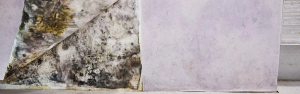
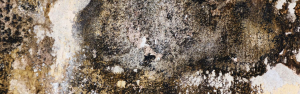
Without professional commercial water damage restoration in Miami, these issues can lead to mold growth, structural deterioration, and code violations.
Why Immediate Action Is Critical
Time is the most important factor in water damage recovery. Within minutes, water begins to spread. Within hours, materials absorb moisture. Within 24–48 hours, mold can begin forming.
Here’s what happens when drying is delayed:
- Wood swells and warps
- Drywall weakens and crumbles
- Electrical systems become hazardous
- Inventory becomes unsellable
- Insurance claims become complicated
That’s why it pays to call as soon as you find water. FL Cleanup answers 24/7; when you call, we’ll tell you honestly when a technician can be there based on that day’s schedule.
Proven Strategies for Commercial Water Damage Restoration in Miami
A 24/7 Phone Line and an On-Site Assessment
The first step is an on-site assessment. The team comes with extraction equipment, moisture meters, an infrared (thermal) camera, and safety gear. Getting water out early limits structural damage and reduces restoration costs.
Businesses that act within the first few hours often save thousands in repair expenses.
Thorough Damage Assessment and Moisture Mapping
Commercial water damage restoration in Miami requires detailed inspection. FL Cleanup starts with a free visual inspection with moisture readings and an infrared (thermal) camera. Specialists use:
- An infrared (thermal) camera
- Moisture detection meters
- Hygrometers
These tools identify hidden moisture behind walls, under flooring, and within insulation. Without proper moisture mapping, unseen water pockets can cause mold growth later.
Industrial-Grade Water Extraction
Commercial spaces require high-powered extraction equipment. Professional teams use:
- Truck-mounted water extractors
- Submersible pumps
- Wet/dry industrial vacuums
Thorough extraction keeps water from seeping deeper into structural components.
Advanced Structural Drying and Dehumidification
Miami’s humidity makes drying particularly challenging. Restoration specialists deploy:
- Commercial air movers
- Industrial dehumidifiers
- HEPA filtration systems
This stage brings walls, ceilings, and flooring back to proper dry readings. Proper drying helps prevent mold and long-term structural issues.
Mold Prevention and Remediation
In Miami’s climate, mold growth can begin within 24–48 hours. Commercial water damage restoration includes antimicrobial treatments and air filtration to help keep mold from taking hold.
If mold is already present, licensed remediation removes contaminated materials under containment. FL Cleanup holds Florida mold licenses (Assessor MRSA4035, Remediator MRSR4158).
Salvage and Restoration of Assets
Businesses depend on equipment, documents, furniture, and inventory. Restoration professionals assess what can be saved and use specialized drying chambers or cleaning solutions to restore valuable assets.
Early intervention can help preserve:
- Office furniture
- Retail inventory
- Electronics
- Important documents
- Machinery
This step significantly reduces replacement costs.
Business Continuity Planning
Experienced commercial water damage restoration companies in Miami understand that businesses must stay operational whenever possible.
They create phased restoration plans to:
- Restore critical areas first
- Minimize disruption to customers
- Coordinate after-hours work
- Provide temporary containment barriers
This strategic approach helps companies reopen sooner.
Common Types of Commercial Water Damage
Water damage is categorized into three categories:
Category 1 – Clean Water
- Broken pipes
- Overflowing sinks
Minimal contamination, but it still needs to be dried out right away.
Category 2 – Gray Water
- Appliance discharge
- Toilet overflows (without sewage)
May contain bacteria and requires sanitation.
Category 3 – Black Water
- Sewage backups
- Floodwater from storms
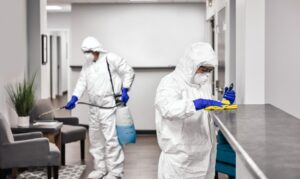
Highly contaminated and dangerous. Requires specialized cleanup and protective equipment.
Understanding the category determines the restoration process.
The Hidden Costs of Ignoring Water Damage
Delaying commercial water damage restoration in Miami can lead to:
- Mold claims from tenants or employees
- Insurance claim problems
- Health code violations
- Structural repairs
- Lost customer trust
The financial damage often exceeds the cost of professional restoration.
Insurance and Documentation Support
Professional restoration companies assist with insurance claims by:
- Documenting damage with photos
- Providing detailed reports and moisture readings
- Communicating with adjusters
- Offering cost estimates
Accurate documentation helps claims move more smoothly and reduces stress for business owners.
Why Miami Businesses Face Unique Water Risks
Miami’s geographical location makes it vulnerable to:
- Hurricane season flooding
- High groundwater levels
- Coastal storm surge
- Heavy seasonal rainfall
Combined with high humidity, these factors increase the urgency of commercial water damage restoration in Miami.
Businesses located near the coast or in flood-prone zones require even more proactive planning.
Preventative Measures for Commercial Properties
Prevention reduces risk. Business owners should:
- Inspect roofing regularly
- Maintain plumbing systems
- Install backflow preventers
- Clean gutters and drains
- Monitor HVAC systems
- Develop emergency response plans
Having a restoration company picked out before disaster strikes means you already know who to call.
Choosing the Right Commercial Water Damage Restoration Company in Miami
Not all restoration services are equal. When selecting a provider, look for:
- A 24/7 phone line and an honest answer on when a crew can arrive
- Licensed, insured, IICRC-certified technicians
- Commercial and large-loss experience
- Commercial-grade equipment
- Positive customer reviews
- Insurance claim support
Experience in handling large commercial properties is essential for minimizing downtime.
Industries That Benefit Most from Commercial Restoration Services
- Retail stores
- Restaurants
- Medical offices
- Hotels
- Warehouses
- Corporate offices
- Schools
- Manufacturing facilities
Each industry has unique compliance and sanitation requirements that professionals understand.
The Role of Professional Equipment in Effective Restoration
Commercial restoration isn’t a DIY job. Specialized tools include:
- High-capacity dehumidifiers
- Air scrubbers
- Moisture sensors
- HEPA vacuums
- Containment systems
These tools speed up drying and help confirm the building is truly dry before repairs start.
How Restoration Helps Protect Brand Reputation
Flooding can damage more than property — it can damage reputation.
Customers expect clean, well-kept spaces. Visible water damage or mold can discourage business and reduce trust.
Commercial water damage restoration in Miami helps protect a company’s public image by restoring facilities properly and professionally.
Final Thoughts: Staying Open After Flooding
Flooding is unpredictable, but preparedness isn’t.
Commercial water damage restoration in Miami is a critical service that allows businesses to recover from damage, reduce losses, and maintain operations. Early action, professional expertise, and strategic planning make the difference between prolonged closure and reopening sooner.
Businesses that partner with experienced restoration professionals gain peace of mind knowing they can face unexpected flooding with confidence.
When disaster strikes, the right team helps your business recover and come back stronger. FL Cleanup carries $1M in general liability coverage and handles commercial and large-loss water damage, starting with a free visual inspection with moisture readings and an infrared (thermal) camera.
FL Cleanup is a family-owned, IICRC-certified restoration company serving South Florida since 2016. We answer 24/7; when you call, we’ll tell you honestly when a technician can be there based on that day’s schedule. Hablamos español.