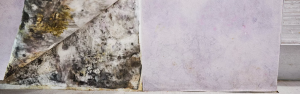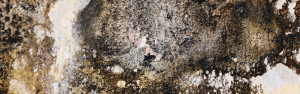
Yes, mold can come back after remediation, but it almost never comes back on its own. When it does, it’s nearly always for one of two reasons: the moisture that caused it was never fixed, or the first job skipped steps. I’ve worked in South Florida restoration since 2012, I’m a licensed Mold Remediator (MRSR4158) and Mold Assessor (MRSA4035), and I’ve been brought in as a mold expert in attorney cases where “it came back” was the whole dispute. Here’s what I look for.
Reason 1: The Water Was Never Fixed
Mold needs moisture. Remove the mold but leave the moisture, and it grows back, often in the same spot within weeks. The usual Florida culprits:
- AC condensate. A clogged drain line, a rusted drain pan or a sweating air handler. Our AC closet mold guide covers this one in detail.
- Slow plumbing leaks behind a shower, under a sink or in a slab. See slab leak signs in Florida.
- Roof and window leaks that only show up in heavy rain.
- High indoor humidity, especially in homes that sit closed up with the AC off or set too high.
Reason 2: The First Job Cut Corners
- No containment. Without plastic sheeting and negative air, spores spread to other rooms during removal.
- Painting or spraying over growth instead of removing it. See can you paint over mold?
- Not removing enough. Mold on the front of drywall often means more on the back. If only the visible spot was cut out, there may be more inside the wall.
- No drying. Closing a wall over wet studs restarts the clock.
- No clearance check before the walls were closed.
How to Tell Which One You Have
- Is it in the exact same spot? That usually points to a moisture source that’s still active.
- Is it in new spots nearby? That can mean spread during removal or a larger hidden problem.
- Is it everywhere, lightly, on furniture, shoes and closets? That usually points to high humidity in the whole home.
We check with moisture readings and an infrared (thermal) camera to find wet areas you can’t see. That tells us whether it’s a leak, a humidity problem or leftover growth.
How to Keep It From Coming Back
- Fix the water source first, and confirm it with moisture readings.
- Keep indoor humidity under control. Run the AC, keep windows closed, and keep the thermostat at a normal setting even when you travel. More in what humidity a Florida home should be.
- Clean or service the AC drain line and pan regularly.
- Run bathroom fans during and after showers. See why you should run the bathroom exhaust fan.
- Get a clearance check before rebuilding. Here’s how clearance testing works in Florida.
What If It Came Back After Another Company’s Job?
Keep your paperwork: the original quote, photos, any test results and invoices. Take dated photos of the regrowth before anything is cleaned. Then get an independent look at the moisture source. If there’s a dispute, that documentation matters more than anything else.
If it’s back, start with a free infrared inspection. See our mold removal service in Miami or mold remediation in Broward County. If the main sign is a returning musty smell, read our musty smell guide.
Seasonal owners see this a lot: the AC gets turned off or set too high for the summer and the mold returns. If that’s your home in Palm Beach County, see mold remediation in Boca Raton.
We answer 24/7; when you call, we’ll tell you honestly when a crew can be there based on that day’s schedule. Hablamos español.
About the author: James Rice-Peña founded FL Cleanup, a family-owned South Florida restoration company serving homeowners and buildings since 2016. He has worked in restoration since 2012, has completed more than 5,000 water jobs, has served as a mold expert in attorney cases, is a Florida-licensed Mold Assessor (MRSA4035) and Mold Remediator (MRSR4158), and is IICRC certified. FL Cleanup has 200+ five-star Google reviews.