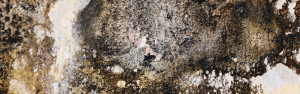
Your house smells musty and you want it gone. Do you need someone to remove mold, or just get rid of the smell? In Florida homes the answer is often “both, in the right order,” and getting the order wrong is how people pay twice. Here’s a simple way to tell what your home needs, from a licensed mold remediator who also runs a whole-home odor treatment.
The Short Answer
- Mold removal physically takes out mold growing on drywall, wood, cabinets, insulation or carpet, and fixes the moisture that fed it.
- An odor treatment clears the smell from the air, fabrics, closets and AC system. It does not remove mold.
- If mold is actively growing, removal comes first. Treating the smell over active mold just means it comes back.
Signs You Need Mold Removal First
- You can see growth: dark or fuzzy spots on walls, ceilings, baseboards, inside cabinets or around the AC closet.
- There’s been a leak, flood or AC overflow that wasn’t dried within a day or two.
- Drywall feels soft, paint is bubbling, or baseboards are swollen.
- The smell is strongest in one spot and gets worse after rain. See house smells musty after it rains.
In any of these cases, the source has to be found and fixed. A free infrared inspection with moisture readings helps find wet areas behind walls without cutting them open. More: what mold smells like.
Signs an Odor Treatment Is the Right Fit
- The mold was already removed and the area is dry, but the house still smells musty.
- A leak was fixed and dried, but the smell stayed in the rooms and the AC. See odor removal after water damage.
- The whole house has a general “smells like humidity” odor, with no wet spots found, often coming through the AC vents. See why an AC smells musty.
- The smell isn’t mold at all: cigarette smoke, pets or a previous owner’s odors.
Why the Order Matters
Mold that’s still growing keeps making the smell. If you treat the odor first, the house may smell better for a while, then the musty smell creeps back because the source never left. The reverse also happens: mold gets removed correctly, walls get closed up, and the house still smells, because the odor soaked into closets, furniture, carpet and the ductwork. That’s when an odor treatment finishes the job. See can mold come back after remediation?
What We Do at FL Cleanup
- Find the source. A free infrared inspection with moisture readings.
- Remove mold if it’s there. As Florida-licensed mold remediators (Mold Assessor MRSA4035, Mold Remediator MRSR4158), with containment and HEPA air filtration. See mold removal.
- Clear the smell. Our whole-home odor removal treatment uses a dry gas that fills every room, closet and the AC system and ductwork. It’s $997 including one AC system, $550 for each extra AC unit, and an attached garage is included. Everyone, including pets, is out for about 8 hours.
Not every job needs all three steps. If there’s no mold, we’ll tell you, and you can go straight to the odor treatment. If there is, we’ll tell you that too, before you spend money on the smell.
FAQ
Can an odor treatment replace mold removal?
No. Mold growing on building materials has to be physically removed and the moisture fixed. The odor treatment is for the smell left behind.
Do I need mold testing first?
Not always. If the source and the growth are clear, testing may not change the plan. If the mold is hidden, the area is large, or there’s a sale, claim or dispute, an independent licensed assessor may be the right first step.
Can you do both on the same job?
Yes. We remove the mold, dry the area, and then clear the odor from the whole home, so you deal with one team.
We serve Miami-Dade, Broward and Palm Beach. Call 877-224-2532. We answer 24/7; when you call, we’ll tell you honestly when a technician can be there based on that day’s schedule. Hablamos español.
About the author: James Rice-Peña is the owner of FL Cleanup and a Florida-licensed Mold Assessor (MRSA4035) and Mold Remediator (MRSR4158). He has worked in property restoration in South Florida since 2012, and FL Cleanup has earned 200+ Five-Star Google Reviews.