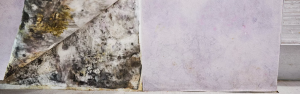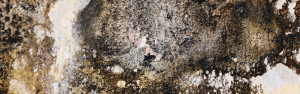
The shower is the wettest room in any house, and in South Florida’s humidity it barely gets a chance to dry. That’s why black spots in grout and caulk are so common here. Most shower mold is a surface problem you can handle yourself. Sometimes, though, it’s a sign of water getting behind the tile.
What You’ll Need
- Gloves and good ventilation (fan on, window or door open)
- A stiff grout brush or old toothbrush
- One cleaner: 3% hydrogen peroxide, white vinegar, a bathroom mold cleaner, or a baking soda paste
- A dry towel or squeegee
Pick one product and stick with it. Never mix bleach with vinegar, ammonia or other cleaners. Not sure which to use? See bleach vs. vinegar vs. hydrogen peroxide.
How to Clean Mold From Shower Tile and Grout
- Rinse the area and spray your cleaner on the grout lines.
- Let it sit: about 10 minutes for peroxide, up to an hour for vinegar, or as the label says.
- Scrub along the grout lines with the brush.
- Rinse well and dry the walls and floor.
- Once the grout is clean and fully dry, consider a grout sealer to make it less absorbent.
Black Spots in the Caulk That Won’t Come Out
If you’ve scrubbed and the black is still there, mold has grown into the caulk itself. Cleaning won’t fix that. Cut out the old caulk, clean and dry the joint completely (give it at least a day), and apply a fresh bead of mildew-resistant silicone caulk. Let it cure fully before showering.
How to Keep Shower Mold Away
- Run the exhaust fan during your shower and for 20 to 30 minutes after
- Squeegee the walls and glass after each shower
- Leave the curtain spread out or the door open so it dries
- Wash fabric curtains and bath mats regularly
- Make sure the exhaust fan vents outside, not into the attic
Signs the Mold Is Behind the Tile
- Loose or hollow-sounding tiles, or grout that’s cracking and crumbling
- A musty smell even after a deep clean
- Soft, stained or bubbling drywall on the other side of the shower wall
- Swollen baseboards or water stains on the ceiling below an upstairs shower
These usually point to a leaking shower pan, valve or failed waterproofing. That’s a job to look at with moisture readings, not more scrubbing. More bathroom help: pink mold in the bathroom and mold on a bathroom ceiling.
Free Visual Inspection for Bathroom Leaks and Mold
If you suspect water behind the tile, FL Cleanup offers a free visual inspection with moisture readings and an infrared (thermal) camera across South Florida. If there’s hidden damage, we handle mold remediation and drying. We answer 24/7, and hablamos español. Call 877-224-2532 or request a free visual inspection online.
About the author: James Rice-Peña is the owner of FL Cleanup and a Florida-licensed Mold Assessor (MRSA4035) and Mold Remediator (MRSR4158). He has worked in property restoration in South Florida since 2012, and FL Cleanup has earned 200+ five-star Google reviews.