When water hits a condo building, the board and property manager get the calls from every direction: owners, tenants, insurers, and neighbors. Here’s a practical guide for South Florida condo boards on what to do in the first hours and days. (General information, not legal advice. Your governing documents and association counsel have the final word.)
First Hours
- Stop the water: shut off the unit, riser, or building supply as needed.
- Make it safe: electrical hazards, elevators, and slip risks.
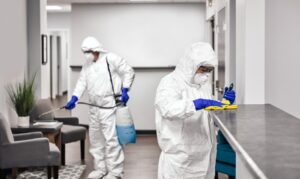
- Call a restoration company to start extraction and drying in all affected units and common areas.
- Document everything: photos, video, and the suspected source.
- Notify affected owners, the association’s insurer, and management.
First Days
- Moisture mapping across every affected unit, including the ones below. Water travels further than it looks.
- Daily drying reports so you can answer owners’ questions with facts.
- Source documentation to support decisions about responsibility under your declaration and Florida law.
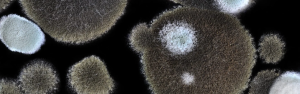
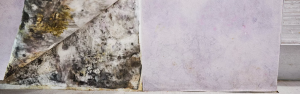
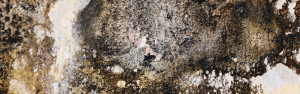
- Mold watch: materials wet for more than a day or two need inspection.
Communicating With Owners
Owners want to know three things: when they can get back to normal, who’s paying, and whether there’s mold. Share a simple timeline, explain that responsibility will follow the documents and the documented source, and give updates as drying progresses. Owners dealing with a leak from above can read Condo Leak From Upstairs: Who Pays?
After a Storm
After a hurricane, restoration companies get overwhelmed. Boards that set up an Emergency Response Plan ahead of time are typically served first. Read What Is an Emergency Response Plan?
How FL Cleanup Supports Boards
Multi-unit drying, licensed mold remediation (MRSR4158), and the documentation boards and adjusters need, with large-loss capacity and $1 million general liability. See restoration for condo associations or call 877-224-2532.