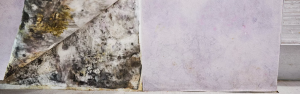
In older South Florida condo towers, wind-driven rain often gets in around windows and sliding glass doors through worn sealant, clogged weep holes and tired tracks. The water usually shows up as a wet carpet edge, a swollen baseboard or bubbling paint under the window, and it can keep soaking the wall every time it rains. Report it to management in writing, photograph it, and have the wall and floor checked for moisture so it doesn’t turn into mold. Call 877-224-2532 for a free infrared inspection.
Why Older Windows and Sliders Leak
- Dried-out sealant around the frame, cracked by years of sun and salt air
- Clogged weep holes in the sliding door track, so rainwater backs up and spills inside
- Worn weatherstripping and rollers that leave gaps when the door is closed
- Wind-driven rain that pushes water sideways, especially on upper floors facing the ocean or the bay
- Cracks in the concrete or stucco around the opening, which let water into the wall itself
Signs Water Is Getting In
- Wet or stained carpet at the edge of the slider after rain
- Swollen, stained or separating baseboard under a window
- Bubbling paint or soft drywall below the sill
- Wood or laminate floor cupping near the door
- Rust on the carpet tack strip or door track
- A musty smell in that room after storms (see musty smell after it rains)
- The unit below reports a stain under your window
What to Do
- Soak up the water with towels and move rugs and furniture away from the opening.
- Gently clear debris from the slider track so the weep holes can drain. Don’t drill or seal anything yourself.
- Photograph and video the water, the stains and the date.
- Report it to management or the association in writing. In many buildings, windows, sliders and exterior walls are covered by the condo documents, and the association may need its window or waterproofing contractor to look.
- Run the AC and keep humidity down while the room dries.
- Get the wall and floor checked. A leak that repeats with every storm keeps the bottom of the wall wet even when the surface looks dry.
Who Fixes What
A window or glazing contractor fixes the opening. Who pays for that, and for the damage inside, depends on your declaration, your association’s rules on windows and sliders, and the policies involved. This is general information, not legal advice. See condo leak from upstairs: who pays? for how responsibility is usually split. We handle the water damage: finding how far the water went, drying it and documenting it.
How We Check and Dry It
We scan the wall, floor and the unit below with moisture meters and an infrared (thermal) camera to see where the water spread. Then we dry what can be dried and remove only what can’t be saved, like swollen baseboards or soaked carpet padding. If mold has started behind the baseboard, we handle it under our Florida mold remediator license (MRSR4158). See condo mold removal in Miami.
For Boards and Managers
If several units on the same side of the building report window leaks after storms, it’s usually a building envelope issue, not a one-unit problem. Keep a log of every report, and check units whose owners are away. Window findings also come up in milestone inspections; see milestone inspection found water damage or mold: next steps and water damage in older condo buildings.
FAQ
It only leaks when it rains hard. Is it worth checking?
Yes. Each storm adds more water to the same spot, and the wall may never fully dry between them. Our infrared inspection is free.
Will new impact windows stop it?
Properly installed new windows usually solve the opening itself, but any water already in the wall still has to be dried, and any mold removed, before the new trim and drywall go back.
How soon can you get here?
We answer 24/7. When you call, we’ll tell you honestly when a crew can be there based on that day’s schedule. Hablamos español.
About the author: James Rice-Peña founded FL Cleanup, a family-owned South Florida restoration company serving homeowners and buildings since 2016. He has worked in restoration since 2012, has completed more than 5,000 water jobs, has served as a mold expert in attorney cases, is a Florida-licensed Mold Assessor (MRSA4035) and Mold Remediator (MRSR4158), and is IICRC certified. FL Cleanup has 200+ five-star Google reviews.