In a warehouse, water damage gets expensive because of what’s sitting on the floor: pallets of cardboard boxes, paper records, equipment and stock that can’t get wet. Around Doral, Medley, Miami Gardens, Pompano Beach and the other South Florida industrial areas, the usual causes are roof leaks and clogged roof drains during summer storms, fire sprinkler line failures, and broken supply or AC lines above the racking. Here’s what warehouse and facility managers should do in the first hours.
The First Hour
- Keep people safe. Keep staff away from standing water near outlets, chargers and equipment, and from any wet racking or stacked pallets that could shift. Stop forklift traffic through wet areas.
- Stop the water if you safely can. Close the supply valve for a broken line. If water is coming from the fire sprinkler system, call 911 or your sprinkler contractor and let them shut it down. For a roof leak, call your roofer once the storm passes.
- Cut power to wet areas if it can be done safely, or have an electrician or building engineer do it.
- Tell the landlord or owner in writing if you lease the space, with the time, what you saw and a photo.
Protecting Inventory and Records
- Photograph before you move. Take photos and video of each affected rack, pallet and aisle, with labels or SKUs visible where possible.
- Move dry stock away from the water first, then deal with what’s already wet. Get pallets off a wet floor where you can.
- Separate wet and dry goods and keep a list of what got wet, where it was and how wet it got.
- Don’t throw out damaged stock yet unless it’s a hazard. Your adjuster may want to see it. If you must dispose of it, document it first.
- Paper records and files should be moved to a dry, air-conditioned space. Wet documents that matter may need specialized drying, so ask about options early.
- Food, medical or regulated products may have specific rules after water exposure. Check with your supplier, your insurer and the agency that regulates you before deciding what can be kept.
The Building Itself
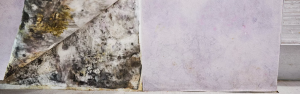
Warehouses look simple to dry, but water hides. It soaks the bottom of drywall in offices and break rooms, gets under rubber base and into wall cavities, and wets insulation above the roof deck or office ceilings. Concrete slabs hold moisture longer than people expect. We map the building with moisture meters and an infrared (thermal) camera, then set up commercial dehumidifiers and air movers sized to the space, with daily readings until it’s dry. In Florida humidity, the EPA notes mold can start on wet materials within 24 to 48 hours, so drying should start as soon as possible.
Keeping the Operation Running
Most warehouses can’t shut down. Drying equipment can often be set up by zone, around shipping lanes and shifts, so the unaffected parts of the building keep moving. Tell your restoration company what has to stay open and plan the work around it.
Insurance
Report the loss promptly and ask your agent what’s covered for the building, for your inventory and for lost time or extra expenses. Keep receipts for anything you spend because of the leak. Building and contents are often insured separately, especially in a leased space, and your insurer makes the final decision. Clear photos, moisture logs and a written scope help every claim. More: restoration and insurance on a large commercial loss.
Before the Next Leak
- Keep inventory and records off the floor and away from exterior walls and roof drain lines where you can.
- Have roof drains cleared before the rainy season. See ceiling leaks from clogged roof drains.
- Know where your shutoffs and sprinkler valves are. See our water leak prevention checklist and what to do after a fire sprinkler pipe burst.
- Put a plan on file. Our free Emergency Response Plan records your shutoffs, priority areas, contacts and our vendor paperwork ahead of time.
How FL Cleanup Helps
We handle warehouse and industrial water damage across South Florida with our own extraction and drying equipment, infrared moisture mapping, daily documentation, and licensed mold remediation if water has already turned into mold. We’re enrolled with Miami-Dade County as a vendor for large losses and carry $1 million general liability. See our county guides for Miami-Dade, Broward and Palm Beach County, or water damage restoration in Doral.
FAQ
Can wet cardboard boxes be saved?
Sometimes the product inside can be, but soaked cardboard loses strength and can grow mold. Document it, separate it, and talk to your insurer and supplier before deciding.
How long does it take to dry a warehouse?
It depends on how much got wet, what it’s made of, and how long it sat. We take readings every day and only remove equipment when the building is back to normal. We’ll give you an honest estimate after we map the water.
How do I choose a restoration company before something happens?
See how to choose a water damage restoration company for your building. The same checklist works for warehouses and industrial properties.
FL Cleanup is family-owned and has served South Florida since 2016. We’re IICRC certified and hold a Florida Mold Remediator license (MRSR4158). We have 200+ five-star Google reviews. We answer 24/7; when you call, we’ll tell you honestly when a crew can be there based on that day’s schedule. Hablamos español.
About the Author
James Rice-Peña founded FL Cleanup in 2016 and has worked in property restoration in South Florida since 2012. He is a Florida licensed mold remediator (MRSR4158), IICRC certified in water, mold, fire and odor work, and he and the FL Cleanup team have handled more than 5,000 water damage jobs. James has also served as a mold expert in attorney cases.
Featured in VoyageTampa and Shoutout Miami. Meet the FL Cleanup team.