Shower leaks are some of the sneakiest water problems in a Florida home. The tile looks fine, but water has been getting behind it every day for months. By the time you see a stain, the wall behind it is often soaked. I’ve worked more than 5,000 water jobs in South Florida since 2012, and here’s what we look for.
Warning Signs
- Loose or hollow-sounding tiles when you tap them
- Grout that stays dark long after the shower dries, or keeps cracking
- Caulk that peels or turns black at the corners or where the tile meets the tub
- A musty smell in the bathroom that cleaning doesn’t fix. See why does my bathroom smell?
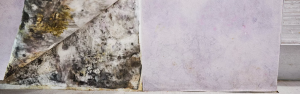
- Stains, bubbling paint or soft drywall on the other side of the shower wall, often in a closet or bedroom
- Swollen baseboards or a stain on the floor outside the shower
- Mold on the ceiling or upper walls that keeps coming back
- In a condo, water in the unit below
Where Shower Leaks Usually Come From
- Failed grout and caulk. Water soaks through to the wall behind.
- A failed shower pan or waterproofing under the tile. Very common in older homes and condos.
- The valve or supply lines inside the wall, which leak whether the shower is running or not.
- The drain connection, which only leaks when the shower runs.
- The shower door or curtain line, letting water onto the floor every day.
A simple clue: if the stain grows even when nobody showers, suspect the supply lines. If it only shows up after showers, suspect the pan, drain or grout.
How We Find It Without Tearing Everything Out
We use moisture meters and an infrared (thermal) camera to see the cooler, wet areas behind the tile and in the walls around it. That tells us how far the water has traveled before anyone opens a wall. Then we can point the plumber or tile contractor to the right spot.
What to Do
- Stop using the shower if you see active water damage, and use another bathroom if you can.
- Take photos of the stains, tiles and the wall on the other side.
- Get the leak found and fixed by a plumber or tile contractor.
- Dry the wall and floor around it before anything is closed up.
- If there’s mold, have it removed properly. Painting over it or re-grouting over a wet wall won’t hold.
Will Insurance Cover It?
Shower leaks are often slow leaks, and many policies treat those differently from a sudden pipe burst. Read does homeowners insurance cover a slow leak in Florida? before you file.
Prevent the Next One
- Re-caulk corners and the tub line when caulk cracks or darkens.
- Seal grout as recommended for your tile.
- Run the bathroom fan during and after showers. See why run the bathroom exhaust fan and how to mold-proof your bathroom.
- Squeegee the walls and keep the door or curtain fully closed while showering.
If mold has already started, see our mold removal service in Miami or mold remediation in Broward County. For a wall that’s wet now, see water damage restoration in Miami.
We answer 24/7; when you call, we’ll tell you honestly when a crew can be there based on that day’s schedule. Hablamos español.
About the author: James Rice-Peña founded FL Cleanup, a family-owned South Florida restoration company serving homeowners and buildings since 2016. He has worked in restoration since 2012, has completed more than 5,000 water jobs, has served as a mold expert in attorney cases, is a Florida-licensed Mold Assessor (MRSA4035) and Mold Remediator (MRSR4158), and is IICRC certified. FL Cleanup has 200+ five-star Google reviews.