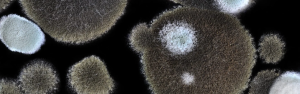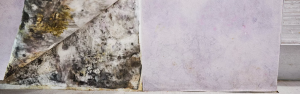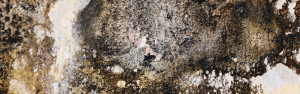
Wood soaks up moisture, and in South Florida there’s always moisture around. That’s why we find mold on dressers, kitchen and bathroom cabinets, baseboards, door frames and even the backs of headboards. Here’s how to deal with it, and how to tell when it’s more than a cleaning job.
First: Is It Surface Mold or Deeper?
- Surface mold: fuzzy or powdery spots that wipe off, on finished or painted wood
- Deeper mold: dark stains that stay after cleaning, wood that’s soft, crumbly, swollen or warped
Surface mold on solid, sealed wood is usually something you can clean. Soft or swollen wood, and particleboard or MDF (common in cabinets and cheaper furniture), often can’t be saved once it’s been wet and moldy.
How to Clean Mold Off Wood Furniture
- Take it outside if you can, and wear gloves and a well-fitting mask.
- Vacuum loose mold with a HEPA vacuum, or brush it off outdoors.
- Wash with mild dish soap and water on a damp (not soaking) cloth. For finished wood, that’s often enough.
- For stubborn spots, wipe with white vinegar, let it sit about an hour, then wipe again. Test a hidden spot first, since vinegar can dull some finishes.
- Dry it completely, in the sun or with a fan, and keep it in an air-conditioned room.
Avoid soaking wood with bleach. It can damage finishes and doesn’t reach mold inside the grain. More on that in bleach vs. vinegar vs. hydrogen peroxide.
Unfinished or Raw Wood
Mold can root into bare wood. After cleaning and drying, light sanding can remove remaining stains. Do it outdoors, wear a mask, and HEPA vacuum the dust. Once it’s clean and dry, sealing or painting the wood makes it less likely to absorb moisture again.
Mold on Cabinets and Baseboards Usually Means Water
Furniture usually gets moldy from humidity. Cabinets and baseboards usually get moldy from a leak. Check for:
- A slow drip under the kitchen or bathroom sink, or a dishwasher or fridge line
- Swollen or peeling cabinet bottoms
- Baseboards that are soft, separated from the wall or stained near a bathroom, AC closet or exterior door
If the baseboard is moldy, the drywall behind it often is too. Cleaning the front won’t fix that. See how to find hidden mold in your house and mold in your AC closet.
When to Replace Instead of Clean
- The wood is soft, crumbling or swollen
- It’s particleboard or MDF that got wet
- The mold returns after cleaning and drying
- It’s structural wood, like subfloor, framing or roof sheathing (call a pro)
Free Visual Inspection in South Florida
If your cabinets or baseboards keep getting moldy, FL Cleanup offers a free visual inspection with moisture readings and an infrared (thermal) camera to find the leak. When materials need to come out, we handle licensed mold remediation across South Florida. We answer 24/7, and hablamos español. Call 877-224-2532 or request a free visual inspection online.
About the author: James Rice-Peña is the owner of FL Cleanup and a Florida-licensed Mold Assessor (MRSA4035) and Mold Remediator (MRSR4158). He has worked in property restoration in South Florida since 2012, and FL Cleanup has earned 200+ five-star Google reviews.