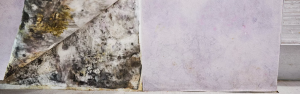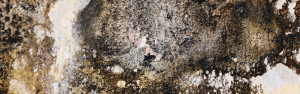
You rent, you find mold, and now you’re wondering who handles it and whether your renters insurance will help. The short answer: renters insurance sometimes helps with your belongings, but it almost never pays to fix the building. That part usually falls on the landlord.
This is general information, not legal or insurance advice. Policies vary, so read yours and talk to your agent or an attorney about your specific situation.
What Renters Insurance Usually Covers
Renters insurance covers your stuff, not the walls. Many policies may cover mold damage to your belongings only when the mold came from a covered event, usually something sudden and accidental, like a pipe that bursts or a water heater that suddenly fails. Some policies also help with living costs if the unit becomes unlivable after a covered event.
What It Usually Doesn’t Cover
- Mold from long-term humidity or a slow leak that went on for weeks or months
- Flood damage (that typically needs separate flood insurance)
- Repairs to the building, like drywall, cabinets or the AC system
- Mold removal from the unit itself
Many policies also cap mold-related payouts or exclude mold entirely. Look for the words “fungi” or “mold” in your policy’s exclusions.
Who Fixes the Mold in a Florida Rental?
Florida’s landlord-tenant law (Chapter 83 of the Florida Statutes) generally requires landlords to keep the unit in line with building and health codes and to maintain things like the roof, plumbing and structure. Leaks and failing AC systems are common causes of mold, so in many cases the repair is the landlord’s responsibility. Your lease may add more details. Tenants, in turn, are generally expected to keep the unit clean, use the AC and ventilation reasonably, and report problems promptly.
What to Do If You Find Mold in Your Rental
- Document it. Take dated photos and videos of the mold, water stains and any damaged belongings.
- Notify your landlord in writing. Email or letter, so there’s a record. Describe what you see and when you noticed it.
- Protect your things. Move belongings away from the affected area and keep the AC running.
- Call your renters insurance if your belongings were damaged by a sudden water event.
- Don’t stop paying rent on your own. Florida law has a specific written-notice process before a tenant can withhold rent. Get legal advice before taking that step.
For Landlords and Property Managers
Acting fast on a mold report protects the tenant, the property and you. A quick inspection to find the moisture source is usually far cheaper than a bigger job later. See our landlord guide to odors between tenants and who pays when a condo leak comes from upstairs. Homeowners can read does homeowners insurance cover mold in Florida.
Mold Inspections for Renters, Landlords and Property Managers
FL Cleanup offers a free visual inspection with moisture readings and an infrared (thermal) camera across South Florida, and we document what we find with photos. We work with tenants, landlords and property managers on mold remediation. We answer 24/7, and hablamos español. Call 877-224-2532 or request a free visual inspection online.
About the author: James Rice-Peña is the owner of FL Cleanup and a Florida-licensed Mold Assessor (MRSA4035) and Mold Remediator (MRSR4158). He has worked in property restoration in South Florida since 2012, and FL Cleanup has earned 200+ five-star Google reviews.