
Introduction to Water Damage Documentation
Water damage can disrupt homes and businesses in Miami without warning. Whether caused by storms, plumbing failures, or hidden leaks, the aftermath can be overwhelming. That’s where understanding how FL Cleanup experts document and monitor water damage restoration for better insurance claims results in Miami becomes essential.
Proper documentation is not just a technical requirement; it’s the backbone of a strong insurance claim. Without clear evidence, even legitimate claims may face delays or denials. Professional restoration teams bring structure and accuracy to the process.
Importance of Proper Documentation
Documentation records the details of the damage. From the moment water intrusion is discovered, every step should be tracked carefully. This includes:
- The extent of damage
- Affected materials and areas
- Moisture levels
- Restoration progress
When done correctly, this information helps insurance companies understand the severity of the situation.
Challenges Faced by Property Owners
Many property owners struggle with documentation because they lack the tools and experience. It’s easy to overlook critical details or fail to present information in a format insurers expect. As a result, claims may be undervalued or rejected.
Understanding Insurance Claims for Water Damage
Insurance claims for water damage can be complex. Each company has specific requirements, and failing to meet them can lead to complications.
How Insurance Companies Evaluate Claims
Insurance providers typically assess:
- Cause of damage
- Extent of loss
- Documentation quality
- Repair estimates
They rely heavily on evidence. Without proper documentation, it becomes difficult to verify the claim.
Common Reasons for Claim Denials
Claims are often denied due to:
- Insufficient documentation
- Delayed reporting
- Lack of proof of damage cause
- Inconsistent information
This is why it helps to work with a restoration company that documents the job the way adjusters expect to see it.
Role of FL Cleanup Experts in Documentation
Professionals play a big role in accurate, thorough documentation.
Initial Damage Assessment
The first step involves a detailed inspection of the property. Experts identify affected areas and determine the source of water intrusion. This sets the foundation for the entire restoration process.
Detailed Reporting Methods
FL Cleanup experts create structured reports that include:
- Written descriptions of damage
- High-resolution images
- Moisture readings
- Repair plans
These reports are organized the way adjusters are used to reviewing them, so the facts of your loss are easy to follow.
Advanced Tools Used in Monitoring
Modern restoration relies on the right tools to measure, not guess.
Moisture Meters and Sensors
These tools measure moisture levels in walls, floors, and ceilings. They help track drying progress and confirm materials are back to dry readings before repairs.
Infrared (Thermal) Camera
An infrared (thermal) camera picks up temperature differences, which helps us locate hidden water without tearing into walls. Every job starts with a free infrared inspection with moisture readings, and those images go straight into your documentation.
Digital Documentation Software
Specialized software is used to organize data, images, and reports, so they’re easy to share with your insurance company.
Step-by-Step Documentation Process
Understanding the process helps property owners see the value professionals bring.
Pre-Restoration Documentation
Before any work begins, experts document the initial condition of the property. This includes:
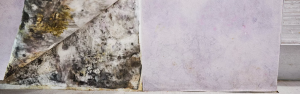
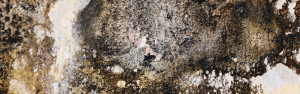
- Photos of damage
- Moisture readings
- Detailed notes
Ongoing Monitoring and Updates
Throughout the restoration process, updates are recorded regularly. This keeps things transparent and gives a clear timeline of progress.
Post-Restoration Reports
Once the work is complete, a final report is created. It includes:
- Before-and-after comparisons
- Final moisture levels
- Confirmation of restoration completion
Benefits of Professional Documentation
Hiring experts offers several advantages. Keep in mind that your insurance company makes the final decision on your claim; good documentation just makes sure they have the facts.
Fewer Delays
Clear, organized information means fewer back-and-forth requests from the adjuster, which can help avoid unnecessary delays.
Accurate Damage Valuation
Measuring and photographing every affected area helps keep damage from being missed or underestimated.
Fewer Disputes
Clear evidence cuts down on disagreements between property owners and insurers.
Why DIY Documentation Falls Short
While it may seem cost-effective, DIY documentation often leads to problems.
Lack of Technical Knowledge
Most property owners are unfamiliar with the technical aspects of water damage assessment.
Incomplete Evidence
Important details may be missed, weakening the claim.
Errors in Reporting
Incorrect or inconsistent information can lead to claim rejection.
Key Elements of a Strong Insurance Claim
A strong claim depends on several factors.
Photographic Evidence
High-quality images provide visual proof of damage.
Written Reports
Detailed descriptions add context and clarity.
Timeline Tracking
A clear timeline helps insurers understand the sequence of events.
Tips for a Smoother Insurance Claim
Taking the right steps can help your claim go more smoothly.
Report It Right Away
Report damage to your insurance company as soon as possible to avoid complications.
Maintain Communication
Stay in touch with your insurance provider throughout the process.
Hire Certified Experts
Look for an IICRC-certified company that follows industry standards for drying and documentation. FL Cleanup is IICRC certified and licensed in Florida as a Mold Remediator (MRSR4158).
FAQs
How do FL Cleanup experts document and monitor water damage restoration for insurance claims in Miami?
We use moisture meters, an infrared (thermal) camera, photos, written reports, and readings taken throughout the drying process to give your insurer an accurate record.
Why is documentation important for insurance claims?
It provides evidence of damage, helping insurers evaluate the claim.
What tools are used in water damage documentation?
Moisture meters, an infrared (thermal) camera, and digital documentation software. Every job starts with a free infrared inspection with moisture readings.
Can I handle documentation myself?
Yes, and you should take your own photos right away. Professional documentation adds moisture readings and drying records that are hard to do on your own.
How long does the documentation process take?
It depends on the extent of damage but typically continues throughout the restoration process.
What helps a claim go smoothly?
Accurate documentation, timely reporting, and staying in touch with your adjuster. The final decision is always your insurance company’s.
Conclusion
Water damage restoration is not just about repairs; it’s also about proper documentation. Understanding how FL Cleanup experts document and monitor water damage restoration for better insurance claims results in Miami can make a real difference in how your claim goes.
With the right tools and structured reporting, your insurer gets a clear, accurate picture of the loss and you get a smoother recovery process. That’s a better bet than relying on incomplete documentation.
If water already got in, our water damage restoration in Miami team documents the damage as we dry it out, so your adjuster gets clear photos and moisture readings.
FL Cleanup is family-owned, IICRC certified, and has served Florida since 2016. We answer 24/7; when you call, we’ll tell you honestly when a technician can be there based on that day’s schedule. Every job starts with a free infrared inspection with moisture readings. Hablamos español.