Introduction
Water damage can strike unexpectedly, whether from storms, plumbing failures, or flooding, and when it does, time becomes the most critical factor. The longer moisture lingers, the more damage it does to structures and materials, and the better the odds of mold and musty smells. That’s why understanding the science of structural drying matters, especially for property owners and businesses in Miami’s humid climate.
FL Cleanup uses professional drying equipment and methods to speed up water removal and dehumidification, and we measure as we go so we know when the job is actually dry. But what exactly makes structural drying so effective? Let’s dive into the science behind it.
What Is Structural Drying?
Structural drying is a scientific process used to remove excess moisture from building materials such as wood, drywall, concrete, and insulation after water intrusion. Unlike simple air drying, it involves controlled environmental conditions and specialized equipment.
Key Goals of Structural Drying
- Remove visible and hidden moisture
- Prevent mold growth
- Protect structural integrity
- Keep musty smells from setting in
This process relies on principles of physics and psychrometry, the study of air, temperature, and moisture relationships.
Why Structural Drying Matters in Miami
Miami’s tropical climate creates a perfect environment for moisture-related issues. High humidity levels slow down natural evaporation, making professional drying essential.
Unique Challenges in Miami
- Constant high humidity
- Frequent storms and flooding
- Salt air affecting materials
- Warm temperatures accelerating mold growth
Without proper drying, these conditions can turn minor water damage into major structural problems. That’s also why we tell Florida homeowners to keep the windows shut and run the AC while a house is drying, instead of letting humid outdoor air in.
The Science Behind Structural Drying
Structural drying isn’t guesswork. Professionals use readings and measurements to control the drying environment.
Evaporation
Evaporation is the process of turning liquid water into vapor. To speed this up, technicians:
- Increase air movement
- Raise temperature
- Reduce humidity
The faster water evaporates, the quicker materials dry.
Dehumidification
Once moisture evaporates into the air, it must be removed. This is done using dehumidifiers that extract water vapor and keep humidity in the right range.
Airflow Dynamics
Air movers are strategically placed to create consistent airflow across wet surfaces. This helps:
- Break the boundary layer of moist air
- Increase evaporation rate
- Prevent moisture pockets
Temperature Control
Warm air holds more moisture than cold air. By controlling temperature, technicians improve evaporation and drying efficiency.
Key Equipment Used by FL Cleanup
FL Cleanup uses commercial-grade drying equipment.
Air Movers
High-velocity fans that circulate air across surfaces, speeding up evaporation.
Dehumidifiers
These machines remove moisture from the air. Two main types include:
- Refrigerant dehumidifiers
- Desiccant dehumidifiers
Moisture Meters
Used to measure moisture levels in materials and track drying progress day by day.
Infrared (Thermal) Camera
Helps detect hidden moisture behind walls and floors without invasive methods. Every job starts with a free visual inspection with moisture readings and an infrared (thermal) camera.
The Structural Drying Process Step-by-Step
Step 1: Inspection and Assessment
Technicians evaluate the extent of water damage using moisture detection tools. This step determines the drying strategy.
Step 2: Water Extraction
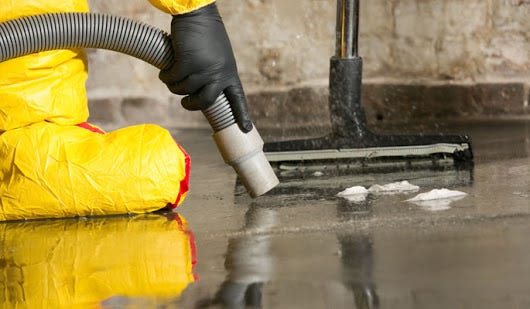
Standing water is removed using pumps and vacuums. This reduces drying time significantly.
Step 3: Equipment Setup
Air movers and dehumidifiers are strategically placed to maximize efficiency.
Step 4: Monitoring and Adjustments
Humidity and moisture levels are checked regularly, and equipment is moved or adjusted to keep drying on track.
Step 5: Final Verification
Once materials reach acceptable moisture levels, the drying process is complete.
Benefits of Professional Structural Drying
Faster Drying
Professional equipment usually dries a property much faster than fans and open air alone.
Mold Prevention
Drying wet materials quickly helps prevent mold, which the EPA notes can start growing within 24–48 hours.
Cost Savings
Early intervention limits damage and reduces repair costs.
Keeping Musty Smells Away
Damp drywall, carpet and framing are where musty smells come from. Getting them fully dry is the best way to keep that smell from settling into the house.
How FL Cleanup Stands Out in Miami
FL Cleanup combines training, equipment, and local knowledge of how Florida homes are built.
IICRC Methods
We’re IICRC certified and follow industry drying standards, adjusted for Miami’s humidity.
A 24/7 Phone Line and Honest Timing
We answer 24/7; when you call, we’ll tell you honestly when a technician can be there based on that day’s schedule.
Experienced, Licensed Professionals
Our technicians are trained in structural drying, and FL Cleanup is licensed in Florida as a Mold Assessor (MRSA4035) and Mold Remediator (MRSR4158).
Common Mistakes to Avoid
Even small mistakes can lead to long-term damage.
Delaying the Drying Process
Waiting too long allows moisture to seep deeper into materials.
Using Household Fans
Standard fans lack the power and precision needed for effective drying.
Ignoring Hidden Moisture
Moisture trapped behind walls or under floors can cause unseen damage.
Structural Drying vs. Traditional Drying
| Feature | Structural Drying | Traditional Drying |
|---|---|---|
| Speed | Fast | Slow |
| Efficiency | High | Low |
| Equipment | Advanced | Basic |
| Moisture Detection | Measured | Limited |
| Mold Prevention | Effective | Risky |
Saving Materials Where We Can
Good drying means less tear-out. When moisture readings show a material can be dried in place, we dry it instead of removing it, which cuts down on waste and rebuild costs. Materials that can’t be saved, or that hold contaminated water, are removed.
When to Call Professionals
You should seek professional structural drying services if:
- Water damage covers a large area
- Moisture has penetrated walls or floors
- There is a risk of mold growth
- Drying needs to be completed quickly
FAQs
How long does structural drying take?
It typically takes 3–7 days, depending on the severity of water damage and environmental conditions.
Can structural drying prevent mold completely?
No method guarantees 100% prevention, but proper drying significantly reduces the risk.
Can all materials be dried in place?
Many can, including a lot of drywall, framing, concrete and hardwood when caught early. Some, like soaked carpet pad, insulation, or anything touched by contaminated water, usually have to be removed. Moisture readings decide.
Do I need to leave my property during drying?
In most cases, you can stay, but it depends on the extent of damage and equipment noise.
How do professionals detect hidden moisture?
We start with a free visual inspection with moisture readings and an infrared (thermal) camera to locate unseen water.
Why is dehumidification important?
It removes moisture from the air, preventing reabsorption into materials.
Conclusion
The science of structural drying plays a vital role in restoring properties after water damage. By combining evaporation, airflow, and dehumidification, professionals can remove moisture efficiently and prevent long-term issues.
In a humid place like Miami, professional drying gives you measured results instead of guesswork, speeding up water removal and dehumidification while protecting your property.
When water damage strikes, acting fast and choosing the right professionals can make all the difference between a quick recovery and costly repairs.
FL Cleanup is family-owned, IICRC certified, and has served Florida since 2016. We answer 24/7; when you call, we’ll tell you honestly when a technician can be there based on that day’s schedule. Every job starts with a free visual inspection with moisture readings and an infrared (thermal) camera. Hablamos español.