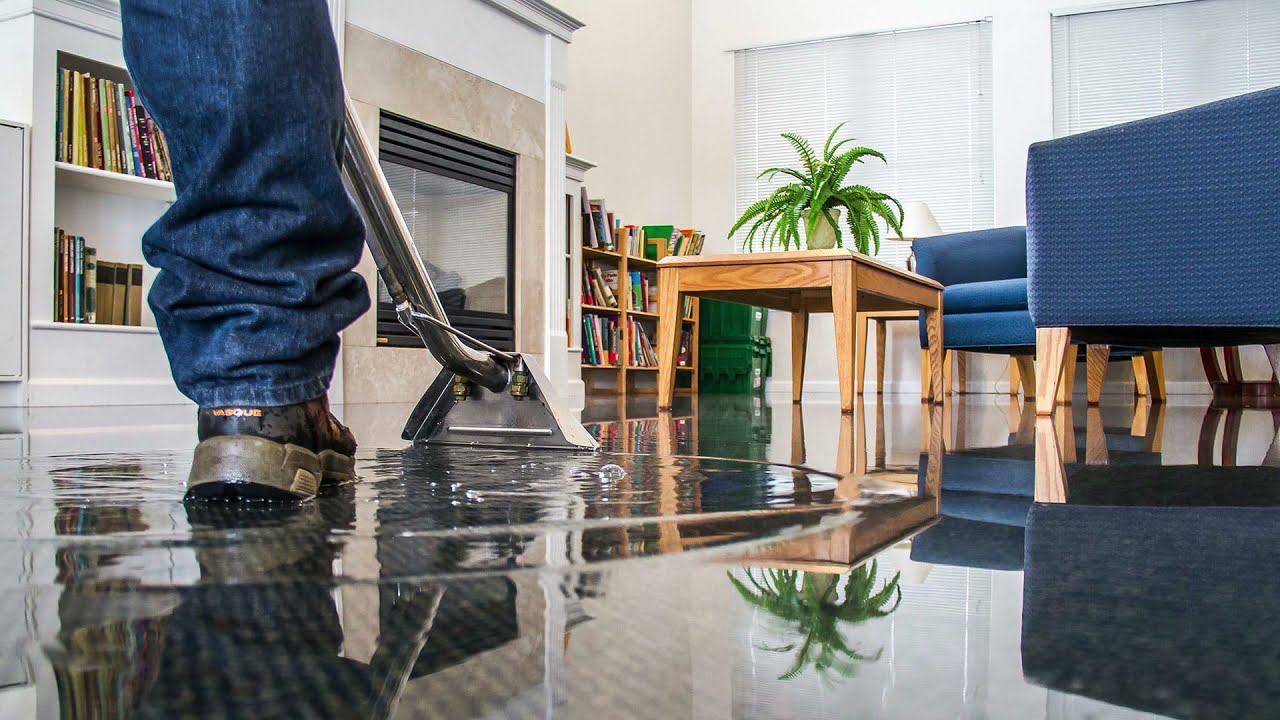
Introduction to Water Extraction and Drying
Water damage can strike unexpectedly, leaving homeowners overwhelmed and unsure of what to do next. In a place like Miami, where heavy rains, storms, and high humidity are common, understanding step-by-step water extraction and drying in Miami homes becomes essential. Acting quickly can save your home from costly repairs and long-term damage.
Whether it’s a burst pipe, flooding, or a leaking roof, water can seep into walls, floors, and furniture within minutes. That’s why professional water extraction and drying services play a critical role in restoring homes efficiently.
Why Immediate Action Matters in Miami Homes
Common Causes of Water Damage
Water damage doesn’t just come from natural disasters. In fact, many homeowners face issues due to:
- Plumbing leaks
- Appliance malfunctions
- Roof damage
- Storm flooding
- Sewage backups
Each of these can introduce water into your home in different ways, requiring tailored solutions.
Risks of Delayed Water Removal
If you wait too long, water damage can escalate rapidly. Within hours:
- Wood begins to swell
- Paint starts peeling
- Carpets absorb moisture
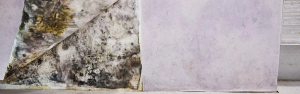
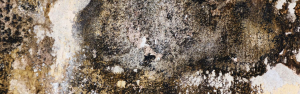
- Mold can begin forming within 24–48 hours
So, acting fast isn’t just smart—it’s necessary.
Understanding the Water Extraction Process
Initial Inspection and Assessment
Before any work begins, professionals conduct a thorough inspection. This step helps identify:
- The source of water
- The affected areas
- The level of contamination
- The materials impacted
This assessment determines the right approach for effective drying.
Water Classification Categories
Water damage is typically classified into three categories:
| Category | Description |
|---|---|
| Clean Water | From pipes or rainwater |
| Gray Water | Slightly contaminated (appliances) |
| Black Water | Highly contaminated (sewage, floodwater) |
Each category requires a different level of care and sanitation.
Step-by-Step Water Extraction and Drying in Miami Homes
Step 1: Emergency Response
The first step in step-by-step water extraction and drying in Miami homes is getting help started. Time is critical. FL Cleanup answers 24/7; when you call, we’ll tell you honestly when a technician can be there based on that day’s schedule.
Step 2: Water Removal Equipment Setup
Specialized equipment is brought in, including:
- Pumps
- Wet vacuums
- Extraction units
These tools are designed to remove large volumes of water efficiently.
Step 3: Bulk Water Extraction
This stage focuses on removing standing water. The faster it’s done, the less damage occurs. Powerful pumps can extract hundreds of gallons in a short time.
Step 4: Moisture Detection
Even after visible water is gone, moisture may remain hidden in:
- Walls
- Floors
- Ceilings
We find hidden dampness with a free visual inspection with moisture readings and an infrared (thermal) camera.
Step 5: Drying and Dehumidification
This is where the real magic happens. Industrial air movers and dehumidifiers are used to:
- Circulate air
- Remove humidity
- Speed up evaporation
This step ensures that no moisture is left behind.
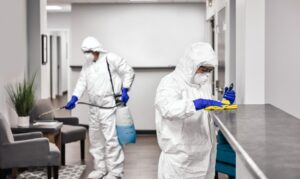
Step 6: Sanitization and Cleaning
Once everything is dry, cleaning begins. This includes:
- Disinfecting surfaces
- Removing odors
- Removing contaminated materials that can’t be saved
Sanitization is especially important if the water was contaminated.
Step 7: Monitoring and Final Inspection
The final step ensures everything is completely dry. Technicians monitor moisture levels and conduct a final inspection before declaring the job complete.
Advanced Equipment Used by Professionals
Industrial Pumps
These are used for removing large amounts of water quickly. They’re powerful and efficient, making them essential in flood situations.
Air Movers and Dehumidifiers
Air movers help circulate air, while dehumidifiers remove excess moisture from the environment. Together, they speed up the drying process.
Moisture Meters
These devices detect moisture levels in materials, ensuring no hidden water remains.
Challenges of Water Damage in Miami Climate
High Humidity Levels
Miami’s humid climate makes drying more difficult. Moisture lingers longer, increasing the risk of damage.
Mold Growth Risks
Mold thrives in damp conditions. Without proper drying, it can spread quickly, posing health risks and damaging property.
Preventing Future Water Damage
Maintenance Tips
- Regularly inspect plumbing
- Clean gutters
- Check appliances
- Seal windows and doors
Early Warning Signs
Look out for:
- Damp smells
- Water stains
- Warped floors
- Increased humidity
Catching these early can prevent major issues.
Benefits of Hiring FL Cleanup
Choosing professionals ensures:
- Phones answered 24/7
- Advanced equipment
- Expert techniques
- Thorough drying
You’ll save time, money, and stress in the long run.
Cost Factors in Water Extraction Services
The cost depends on several factors:
- Extent of damage
- Type of water
- Area affected
- Equipment required
While costs may vary, professional services often prevent more expensive repairs later.
FAQs
How long does water extraction take?
It typically takes 24–72 hours, depending on the severity of the damage.
Can I handle water extraction myself?
Small spills can be managed, but major water damage requires professional equipment and expertise.
How soon does mold start growing?
Mold can begin growing within 24–48 hours if moisture isn’t removed.
Is water damage covered by insurance?
It depends on your policy. Sudden damage is often covered, but gradual leaks may not be.
What should I do immediately after water damage?
Turn off the water source, remove valuables, and call professionals immediately.
How do professionals ensure complete drying?
They use moisture meters and continuous monitoring to ensure no hidden moisture remains.
Conclusion
Understanding step-by-step water extraction and drying in Miami homes is crucial for protecting your property. From emergency response to final inspection, every step plays a vital role in restoring your home safely and efficiently.
With Miami’s unique climate challenges, professional services like FL Cleanup ensure that your home is not only dry but also protected from future damage. Acting quickly, using the right equipment, and following a structured process can make all the difference.
FL Cleanup is a family-owned, IICRC-certified restoration company serving South Florida since 2016. We answer 24/7; when you call, we’ll tell you honestly when a technician can be there based on that day’s schedule. Hablamos español.