Introduction to Emergency Restoration
Emergency restoration in Miami is something every commercial property owner should plan for. Flooding, fire, or mold can disrupt operations, damage assets and lead to costly repairs.
Preparation is what keeps losses smaller and recovery smoother. Here’s what to have in place before something happens.
Why Emergency Restoration Planning Is Essential in Miami
Weather-Related Risks
Hurricanes, heavy rain and flooding are regular events in Miami. Water intrusion can damage building materials and electrical systems and create the conditions for mold growth. Without a plan, small problems turn into big ones.
Infrastructure Challenges
Older buildings with aging roofs, poor drainage or outdated plumbing are more likely to have emergencies. That’s why commercial restoration in South Florida needs a plan built around local conditions.
Types of Emergencies That Require Restoration
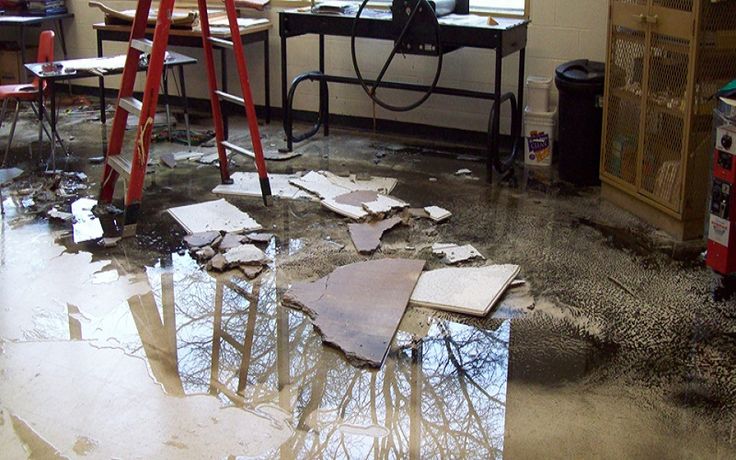
Water Damage
The most common issue in Miami, usually from flooding, burst pipes, roof leaks or AC leaks. Acting quickly limits the damage; the EPA notes wet materials should be dried within 24 to 48 hours to help prevent mold. See commercial water damage in Miami-Dade.
Fire and Smoke Damage
Fires can cause structural damage, soot on surfaces and lingering smoke odor. Once the fire department clears the building, cleanup and documentation should start as soon as possible.
Mold
Mold grows where moisture is left behind. Left alone, it damages materials, causes musty smells and leads to complaints from tenants and employees. Early detection keeps the job smaller.
Key Steps to Prepare for Emergency Restoration
- Conduct risk assessments. Identify the hazards specific to your property, such as low-lying areas, roof age and water heater locations.
- Develop an emergency plan. Write down what happens for each type of event.
- Train staff. Make sure employees know where shutoffs are and who to call.
- Secure important documents. Keep records, policies and photos in a safe, accessible place.
- Set up communication channels. Know how you’ll reach tenants, staff and vendors in a crisis.
Creating a Restoration Plan
A good restoration plan includes emergency contacts, evacuation procedures, expected restoration steps, and who is responsible for what. Having it written down reduces confusion when something goes wrong.
Partnering with a Professional Company
Having a restoration company lined up before an emergency means one call gets things moving.
What Professional Support Gives You
- A 24/7 phone line and an honest answer about when a crew can be there
- Commercial drying equipment and containment
- Experienced, IICRC-certified technicians
- Moisture readings and photo documentation for your insurer
Importance of Regular Property Inspections
Routine checks catch leaks, damaged materials and early mold before they become emergencies. FL Cleanup offers a free visual inspection with moisture readings and an infrared (thermal) camera, which helps find hidden moisture behind walls and ceilings. Preventive maintenance almost always costs less than emergency repairs.
Emergency Response Checklist
- Shut off water or power if it’s safe to do so
- Get occupants out if needed
- Call your restoration company
- Photograph and document the damage for insurance
- Start water removal and drying as soon as possible
Role of Insurance in Restoration
Review your policies regularly, understand your coverage limits and deductibles, and keep documentation current. Your insurer makes the final decision on any claim, but clear photos, moisture readings and drying logs help the process.
Cost Management Strategies
Invest in prevention, work with a reliable restoration company you’ve already vetted, and keep insurance coverage up to date. Planning ahead reduces the financial hit.
Minimizing Business Downtime
The sooner drying and cleanup start, the less revenue you lose and the sooner you’re back to normal. A plan and a vendor you already know make that possible.
Why Commercial Property Owners Work with FL Cleanup
- Family-owned in Miami since 2016, IICRC certified, with 200+ five-star Google reviews
- Florida-licensed mold assessor (MRSA4035) and mold remediator (MRSR4158)
- $1M in general liability insurance, and experience with commercial and large-loss jobs
- Documentation built for insurance claims
Frequently Asked Questions
What is emergency restoration?
It’s the process of stopping, drying, cleaning and repairing a property after water, fire, mold or storm damage.
How quickly should restoration begin?
As soon as possible, since delays make damage and costs worse. We answer 24/7, and when you call, we’ll tell you honestly when a technician can be there based on that day’s schedule.
Is professional help necessary?
For anything beyond a small spill, yes. Professionals find hidden moisture, dry the structure properly and document everything for insurance.
What types of damage do you handle?
Water, fire and smoke, mold, storm damage and lingering odors.
How can I prepare my property?
Inspect it regularly, write an emergency plan, and line up a restoration company before you need one.
Does insurance cover restoration?
Many policies cover sudden losses, but coverage varies and your insurer makes the final decision. Check with your agent.
Conclusion
With Miami’s weather and older building stock, emergency restoration isn’t something to leave to chance. A written plan, regular inspections and a restoration partner you already know help you limit damage, reduce downtime and recover sooner.
FL Cleanup is a family-owned, IICRC-certified restoration company serving South Florida since 2016. Hablamos español.